The lifecycle of a grape vine is a fascinating journey that unfolds over several years, making it essential for anyone interested in grape farming to understand the various stages of growth. From the moment a grape seed is planted, it embarks on a transformative process that involves several key phases: germination, vegetative growth, flowering, fruit set, and finally, maturation. Each stage plays a critical role in determining the quality and yield of the grapes produced, which are vital for winemaking and other uses. Initially, the grape vine begins its life as a seed, which requires specific conditions to germinate. Once sprouted, the vine enters the vegetative growth stage, where it develops leaves and stems.
This phase is crucial as it establishes the foundation for photosynthesis, allowing the plant to gather energy and nutrients. As the vine matures, it will produce flowers that eventually lead to fruit set. Understanding these stages not only helps grape farmers optimize their cultivation practices but also prepares them for the challenges that may arise during each phase. As we delve deeper into the lifecycle of a grape vine, we will explore how long it typically takes for these plants to reach full maturity. This knowledge is invaluable for grape farmers aiming to maximize their harvests and ensure high-quality grapes.
By grasping the intricacies of grape vine growth stages, farmers can make informed decisions about planting times, care routines, and harvesting strategies that align with their specific goals in grape farming.
Factors Influencing Grape Vine Maturation
The maturation of grape vines is influenced by a variety of factors that can significantly affect the timeline for achieving optimal fruit quality. Understanding these factors is essential for successful grape farming.- Climate: The climate in which grape vines are grown plays a crucial role in their maturation. Grapes thrive in regions with warm summers and moderate winters. Temperature fluctuations can impact the growth cycle; for instance, cooler temperatures can delay ripening, while excessive heat may lead to premature maturation.
Additionally, the amount of sunlight received directly affects photosynthesis, which is vital for vine health and fruit development.
- Soil Type: The composition and drainage capacity of the soil are also significant factors. Well-drained soils rich in organic matter tend to promote healthier root systems, allowing vines to access nutrients more effectively. Different grape varieties may prefer specific soil types, such as sandy, clay, or loamy soils, which can influence their growth rate and fruit quality.
- Grape Farming Techniques: The methods employed in grape farming can greatly impact vine maturation. Practices such as pruning, irrigation management, and canopy management help optimize sunlight exposure and air circulation around the grapes.
For example, proper pruning can enhance fruit quality by reducing competition among grape clusters, leading to better ripening.
Typical Maturation Timeline for Grape Vines
Understanding the maturation timeline of grape vines is crucial for anyone involved in grape farming. The journey from planting to harvest is a multi-year process, and knowing what to expect at each stage can help farmers make informed decisions.Year 1: Establishment Phase
- During the first year, grape vines focus on establishing a strong root system.
- Farmers should prioritize proper irrigation and soil management to support healthy growth.
- While no grapes are produced, this phase is vital for future yields.
Year 2: Early Growth
- In the second year, vines begin to grow more vigorously.
- Some varieties may produce a small crop, but it is typically not enough for commercial harvesting.
- This year is essential for training the vines and setting up trellises.
Year 3: First Significant Crop
- By the third year, grape vines are usually capable of producing a more substantial yield.
- This is often the first year that farmers can expect to harvest grapes suitable for winemaking.
- However, the quality may still vary as the vines continue to mature.
Years 4-5: Maturation and Quality Improvement
- From years four to five, grape vines reach their peak growth potential.
- The quality of grapes improves significantly as the vines mature.
- This period is critical for fine-tuning vineyard practices to enhance flavor profiles and overall yield.
Year 6 and Beyond: Full Maturity
- By the sixth year, grape vines are considered fully mature.
- Farmers can expect consistent yields of high-quality grapes suitable for premium wines.
- The lifespan of a grape vine can extend for several decades with proper care, allowing for long-term planning in grape farming.
Common Varieties of Grape Vines and Their Maturation Periods
When it comes to grape farming, understanding the different varieties of grape vines and their respective maturation periods is crucial for successful cultivation.Each variety has unique characteristics that influence not only the flavor profile of the grapes but also the time it takes for them to reach maturity.
- Cabernet Sauvignon: This popular red wine grape typically takes about 3 years to mature. Known for its rich flavor and tannins, it thrives in warmer climates and is often used in premium wines.
- Chardonnay: A versatile white grape, Chardonnay usually matures within 2 to 3 years. Its adaptability allows it to grow in various climates, producing a range of flavors from crisp and fruity to rich and buttery.
- Merlot: Another widely cultivated red grape, Merlot generally requires around 3 years to mature. It is favored for its soft texture and fruit-forward profile, making it a staple in many blends.
- Sauvignon Blanc: This white grape variety matures in about 2 years.
Known for its high acidity and aromatic qualities, it is often used to produce refreshing wines that pair well with food.
- Zinfandel: Zinfandel vines can take approximately 3 to 5 years to mature fully. This variety is known for its bold flavors and is often associated with California wines.
By selecting the right types of grapes based on their growth timelines and environmental needs, farmers can optimize their yields and produce high-quality wines.
Best Practices for Accelerating Grape Vine Maturation
Accelerating the maturation of grape vines is crucial for grape farmers looking to optimize their yield and quality. Here are some best practices that can help you achieve faster maturation:- Choose the Right Variety: Selecting grape varieties that are known for their early maturation can significantly impact your harvest timeline. Research local climate conditions and choose varieties that thrive in your area.
- Soil Health: Healthy soil is the foundation of successful grape farming. Conduct soil tests to determine nutrient levels and amend the soil with organic matter, such as compost, to enhance fertility and drainage.
- Water Management: Proper irrigation is essential.
While grape vines need adequate water, overwatering can lead to root rot and delayed maturation. Implement a drip irrigation system to provide consistent moisture without waterlogging the roots.
- Pruning Techniques: Pruning not only shapes the vine but also encourages better air circulation and sunlight penetration. This can lead to quicker ripening of grapes. Focus on removing dead or overcrowded branches during the dormant season.
- Pest and Disease Control: Regular monitoring for pests and diseases is vital.
Implement integrated pest management (IPM) strategies to minimize damage and stress on the vines, which can hinder maturation.
- Sunlight Exposure: Ensure that your grape vines receive ample sunlight. Consider trellising systems that maximize exposure to sunlight, as this is crucial for photosynthesis and fruit development.
FAQs About Grape Vine Maturation
When it comes to grape farming, understanding the maturation process of grape vines is crucial for successful cultivation. Here are some frequently asked questions regarding grape vine maturity:- How long does it take for a grape vine to mature?
Generally, grape vines take about 3 to 5 years to reach maturity. However, this can vary based on the grape variety, climate, and soil conditions.Some varieties may produce fruit as early as the second year, but optimal yields are typically achieved after several years of growth.
- What factors influence grape vine maturation?
Several factors can affect the maturation of grape vines, including:- Climate: Temperature and sunlight play a significant role in the growth rate and quality of grapes.
- Soil Quality: Nutrient-rich soil promotes healthy vine growth and faster maturation.
- Watering Practices: Adequate irrigation is essential, especially during dry spells.
- Do all grape varieties mature at the same rate?
No, different grape varieties have unique maturation timelines. For instance, Cabernet Sauvignon may take longer to mature compared to Chardonnay. Understanding the specific needs of each variety is vital for effective grape farming. - How can I tell if my grape vines are mature?
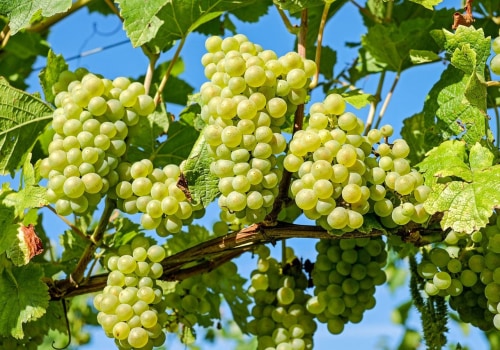
Mature grape vines will produce clusters of grapes that are full-sized and have developed their characteristic color. Additionally, the leaves will be healthy and robust, indicating that the vine is thriving.
Conclusion: Key Takeaways on Grape Vine Maturation in Farming
In summary, understanding the maturation process of grape vines is crucial for successful grape farming.The journey from planting to harvest is not only about patience but also about applying the right techniques and knowledge.Key Takeaways:
- Timeframe for Maturation: Grape vines typically take about 3 to 5 years to reach full maturity, depending on the variety and growing conditions.
- Factors Influencing Growth: Soil quality, climate, and vineyard management practices play significant roles in how quickly a vine matures.
- Importance of Pruning: Regular pruning is essential for promoting healthy growth and maximizing fruit yield as the vines mature.
- Varietal Differences: Different grape varieties have unique maturation timelines; understanding these differences can help farmers plan their harvests more effectively.