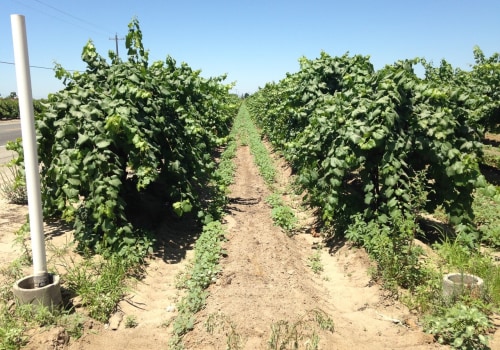
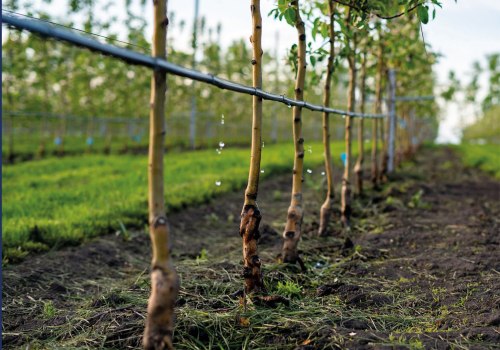
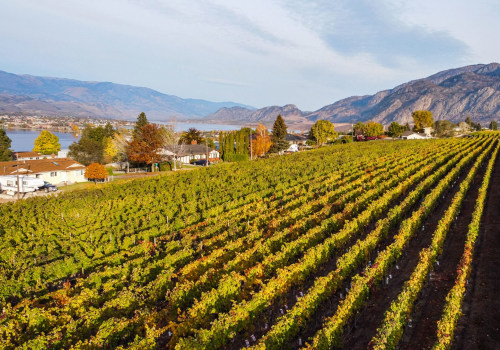
Grape farming is a vital component of the agricultural landscape in the United States, contributing significantly to both the economy and the cultural fabric of many regions. With over 1,000 varieties cultivated across diverse climates, grape farming not only supports the production of wine but also provides fresh grapes for consumption and various processed products. The U.S. ranks among the top producers of grapes globally, with California being the epicenter of this thriving industry.
However, while grape farming presents numerous opportunities, it is not without its challenges. Farmers in this sector face a myriad of obstacles that can impact their productivity and profitability. From unpredictable weather patterns to pest infestations and diseases, the challenges are multifaceted. Additionally, the increasing demand for sustainable practices adds another layer of complexity to grape farming. As consumers become more environmentally conscious, grape farmers must adapt their methods to meet these expectations while maintaining yield and quality. Understanding the intricacies of grape farming is essential for grasping the broader implications for the agricultural economy.
The challenges faced by grape farmers not only affect their livelihoods but also have ripple effects throughout the supply chain, influencing everything from pricing to availability in local markets. As we delve deeper into this topic, we will explore specific hurdles that grape farmers encounter and discuss potential strategies for overcoming them.
Economic Challenges in Grape Farming
The economic landscape of grape farming in the United States is fraught with challenges that can significantly impact the viability of vineyards. One of the primary concerns for grape farmers is the cost of grape production, which encompasses various factors such as labor, equipment, and inputs like fertilizers and pesticides. As these costs continue to rise, farmers must find ways to maintain profitability while ensuring high-quality yields.Additionally, market prices for grapes can be highly volatile, influenced by factors such as consumer demand, weather conditions, and competition from both domestic and international producers.For instance, a bumper crop in one region can lead to oversupply, driving prices down and squeezing profit margins for farmers. Conversely, poor harvests due to adverse weather can create shortages, but the price fluctuations may not always compensate for the losses incurred during lean years.Moreover, grape farmers face increasing competition from large-scale producers who benefit from economies of scale. These larger operations can often produce grapes at a lower cost, making it challenging for smaller farms to compete on price without sacrificing quality. This competitive pressure can lead to a consolidation trend in the industry, where smaller farms either adapt by diversifying their offerings or risk going out of business.To navigate these economic challenges, grape farmers are increasingly looking towards innovative practices such as precision agriculture and sustainable farming techniques.
By optimizing resource use and improving crop management, they aim to reduce production costs while enhancing yield quality. However, implementing these practices often requires upfront investment, which can be a barrier for many.In summary, understanding the economic challenges faced by grape farmers is essential for grasping the financial pressures inherent in grape farming. From rising production costs to fluctuating market prices and intense competition, these factors collectively shape the future of the industry.
Environmental Factors Impacting Grape Cultivation
Grape farming in the United States faces numerous environmental challenges that significantly impact the quality and yield of grape production. One of the most pressing issues is climate change, which alters weather patterns, leading to unpredictable growing seasons.Grapes require specific temperature ranges for optimal growth, and fluctuations can result in poor fruit set, reduced yields, and altered flavor profiles.Additionally, soil health plays a crucial role in vineyard productivity. Many grape farmers encounter soil degradation due to intensive farming practices, which can lead to nutrient depletion and reduced soil structure. Healthy soil is essential for maintaining the balance of nutrients that grapes need to thrive. Farmers are increasingly adopting sustainable practices such as cover cropping and organic amendments to enhance soil fertility and structure.Water availability is another critical factor affecting grape cultivation.
Regions that rely on irrigation face challenges due to drought conditions, which have become more frequent with climate change. Insufficient water supply can stress vines, leading to smaller berries and lower quality wine. Conversely, excessive rainfall can cause fungal diseases, which threaten grape health and yield.To combat these environmental challenges, grape farmers are turning to innovative solutions:
- Precision agriculture: Utilizing technology to monitor soil moisture and nutrient levels helps optimize water usage and reduce waste.
- Diverse planting: Introducing a variety of grape species can enhance resilience against climate variability.
- Sustainable practices: Implementing organic farming techniques not only improves soil health but also promotes biodiversity within vineyards.
Pest and Disease Management in Vineyards
Effective pest management is crucial for grape farming, as vineyards are susceptible to a variety of pests and diseases that can significantly impact crop yield and quality.Farmers must be vigilant in identifying and addressing these threats to maintain the health of their vines. Common pests that affect grape crops include:
- Grape Phylloxera: A tiny aphid-like insect that feeds on the roots of grapevines, leading to stunted growth and reduced yields.
- Spider Mites: These pests thrive in hot, dry conditions and can cause leaf discoloration and defoliation.
- Leafhoppers: Known for their ability to transmit diseases, leafhoppers can weaken vines by feeding on the sap.
- Powdery Mildew: A fungal disease that appears as a white powdery substance on leaves and grapes, affecting photosynthesis and fruit quality.
- Downy Mildew: Another fungal threat, downy mildew thrives in humid conditions and can lead to significant crop loss if not managed promptly.
- Botrytis Bunch Rot: This disease affects grapes during the ripening stage, causing them to rot and become unmarketable.
Regular monitoring of vineyard health is essential, allowing farmers to detect issues early and implement timely interventions. Ultimately, maintaining vineyard health requires a proactive approach to pest and disease management. By staying informed about potential threats and employing effective strategies, grape farmers can protect their crops and ensure a successful harvest.
Labor Shortages and Workforce Issues
One of the most pressing challenges faced by grape farmers in the United States is labor shortages. The grape farming industry heavily relies on a seasonal workforce, particularly during the harvest period when the demand for labor peaks. This reliance on temporary workers creates a unique set of workforce issues that can significantly impact productivity and profitability.Many grape farmers depend on migrant labor, which is often sourced from immigrant communities.However, changing immigration policies and increased scrutiny can lead to uncertainty in labor availability. Farmers may find it increasingly difficult to secure the number of workers needed to harvest their crops on time, which can result in lost revenue and wasted produce.Additionally, the nature of vineyard work is physically demanding and often requires long hours under challenging weather conditions. This can deter potential workers, leading to a shortage of skilled labor. Many grape farmers report that they struggle to find individuals who are not only willing to work but also possess the necessary skills for tasks such as pruning, training vines, and managing pest control.
- Seasonal Labor Challenges: The peak harvest season typically lasts only a few months, making it difficult for farmers to maintain a stable workforce year-round.
- Training and Retention: Investing in training programs for seasonal workers can be costly, and high turnover rates mean that skills are often lost.
- Economic Pressures: Rising wages in other industries can lure potential vineyard workers away, exacerbating the labor shortage.
However, these technologies come with their own set of challenges and costs. Ultimately, addressing the labor challenges in grape farming requires a multifaceted approach that considers both the economic realities of farming and the social implications of workforce policies.
Regulatory Challenges in Grape Farming
The landscape of grape farming in the United States is significantly shaped by a variety of regulatory challenges. These regulations can impact everything from land use to pesticide application, making it crucial for grape farmers to stay informed and compliant.Environmental Regulations
- Farmers must adhere to strict environmental regulations aimed at protecting water quality and biodiversity. This includes regulations on runoff management and the use of fertilizers and pesticides.
- Compliance with the Clean Water Act and the Clean Air Act can require significant investments in technology and practices that may not have been necessary in the past.
Agricultural Policies
- Federal and state agricultural policies can influence grape farming through subsidies, crop insurance, and funding for research.
Changes in these policies can create uncertainty for farmers, affecting their long-term planning.
- The introduction of new agricultural policies often requires farmers to adapt quickly, which can be challenging for those with limited resources.
Compliance Issues
- Many grape farmers face compliance issues related to labor laws, including regulations on worker safety and wages. Non-compliance can lead to hefty fines and operational disruptions.
- The complexity of navigating local, state, and federal regulations can overwhelm farmers, particularly smaller operations that may lack dedicated legal or compliance teams.
Technological Innovations and Their Impact on Grape Farming
The landscape of grape farming in the United States is rapidly evolving, driven by technological innovations that present both challenges and opportunities for farmers. As the demand for high-quality grapes increases, vineyard managers are turning to advanced technologies to enhance productivity and sustainability.Precision Agriculture in Grape Farming
- Precision agriculture utilizes data analytics, GPS technology, and remote sensing to optimize vineyard management.
This approach allows farmers to monitor soil health, moisture levels, and crop conditions in real-time.
- By implementing precision irrigation systems, grape farmers can conserve water while ensuring that vines receive the exact amount of moisture needed for optimal growth.
- However, the initial investment in these technologies can be substantial, posing a financial challenge for smaller operations.
Innovations in Vineyard Management
- Technological advancements such as automated machinery and drones are revolutionizing vineyard management. Drones can survey large areas quickly, providing valuable insights into vine health and pest infestations.
- Automation in tasks like pruning and harvesting can significantly reduce labor costs but requires farmers to adapt to new skill sets and training.
- The integration of these technologies often necessitates a shift in traditional farming practices, which can be met with resistance from some growers who are accustomed to conventional methods.
The Role of Data Analytics
Data analytics plays a crucial role in modern grape farming. By analyzing historical data and current trends, farmers can make informed decisions about planting schedules, pest control measures, and harvest timing. However, the challenge lies in effectively interpreting this data and integrating it into daily operations.In conclusion, while technological innovations present significant opportunities for enhancing efficiency and sustainability in grape farming, they also introduce challenges that require careful consideration.
Farmers must balance the benefits of adopting new technologies with the potential financial burdens and the need for ongoing education and adaptation.
Future Outlook for Grape Farmers in the U.S.
The future of grape farming in the U.S. is poised for transformation as farmers adapt to evolving challenges and opportunities. With climate change, market demands, and technological advancements shaping the landscape, grape growers must stay ahead of the curve to ensure sustainability and profitability.Emerging Trends in Grape Agriculture
One significant trend is the increasing focus on sustainability. Farmers are adopting practices that minimize environmental impact, such as organic farming, cover cropping, and integrated pest management.These methods not only enhance soil health but also appeal to a growing consumer base that prioritizes eco-friendly products.
Technological Innovations
Advancements in technology are also playing a crucial role in the future of grape farming. Precision agriculture tools, including drones and soil sensors, allow farmers to monitor vineyard conditions more accurately. This data-driven approach enables better decision-making regarding irrigation, fertilization, and pest control, ultimately leading to higher yields and reduced costs.Market Adaptation
As consumer preferences shift towards unique and high-quality wines, grape farmers are exploring new varietals and production methods. This adaptability not only helps in meeting market demands but also fosters innovation within the industry.Collaborations with research institutions can lead to the development of disease-resistant grape varieties that thrive in changing climates.
Community and Education
Building a strong community among grape farmers is essential for sharing knowledge and resources. Educational programs focusing on sustainable practices and technological integration can empower farmers to implement effective strategies. By fostering a culture of collaboration, the industry can collectively address challenges and seize opportunities.In conclusion, while challenges persist in grape farming, the future holds promise through sustainability initiatives, technological advancements, and community engagement. By embracing these changes, grape farmers in the U.S.can navigate uncertainties and thrive in an ever-evolving agricultural landscape.
Conclusion: Navigating Challenges in Grape Farming
In conclusion, the landscape of grape farming in the United States is fraught with challenges that require careful navigation and strategic planning. From climate change to pest management, each obstacle presents unique hurdles that can significantly impact the sustainability and profitability of vineyards.One of the most pressing issues is the impact of climate change, which alters growing conditions and can lead to unpredictable harvests. Farmers must adapt to shifting weather patterns, which may include more frequent droughts or excessive rainfall, both of which can affect grape quality and yield.Additionally, pest and disease management remains a critical concern. The rise of new pests and diseases necessitates ongoing research and investment in effective control measures.Farmers are increasingly turning to integrated pest management (IPM) strategies that combine biological, cultural, and chemical practices to mitigate these threats while minimizing environmental impact.Moreover, the economic pressures associated with market fluctuations and labor shortages cannot be overlooked. As consumer preferences shift and competition increases, grape farmers must remain agile, adapting their business models to meet changing demands. This often involves investing in technology and sustainable practices that can enhance productivity while ensuring environmental stewardship.Ultimately, addressing these challenges is essential for the long-term viability of grape farming in the U.S. By embracing innovation, fostering community support, and prioritizing sustainable practices, grape farmers can not only survive but thrive in an ever-evolving agricultural landscape.