Weather plays a pivotal role in grape farming, influencing not only the yield but also the quality of the grapes produced. Various climatic conditions, such as droughts, floods, and unexpected frosts, can lead to significant crop failures or losses, posing a serious threat to vineyard sustainability. For grape farmers, understanding these weather impacts is essential for developing effective strategies to mitigate risks and ensure a successful harvest. Drought conditions can severely stress grapevines, leading to reduced fruit size and lower sugar content, which ultimately affects wine quality. Conversely, excessive rainfall can result in waterlogged soils, increasing the risk of root rot and other diseases that can devastate a vineyard.
Additionally, late spring frosts can catch farmers off guard, damaging young buds and drastically reducing potential yields. Each of these weather-related challenges requires careful monitoring and proactive management to safeguard the health of the vines. Farmers are increasingly turning to technology and data analytics to predict weather patterns and assess their potential impact on vineyards. By utilizing advanced forecasting tools and climate models, grape growers can make informed decisions about irrigation practices, pest management, and harvest timing. This proactive approach not only helps in minimizing losses but also enhances the resilience of vineyards against the unpredictable nature of climate change.
Common Causes of Crop Failures in Grape Farming
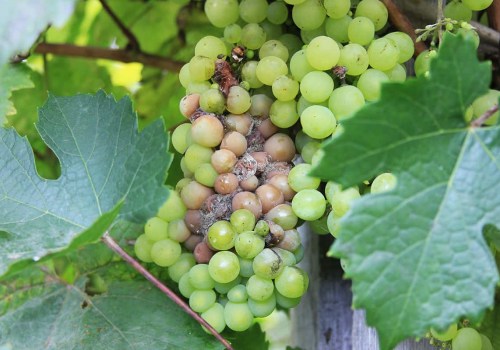
Grape farming is a delicate balance, and various factors can lead to significant crop failures.Understanding these causes of grape crop loss is essential for farmers to develop effective strategies for mitigation. One of the primary challenges in grape farming is weather-related issues. Extreme temperatures, whether too hot or too cold, can adversely affect grape development. For instance, late spring frosts can damage young buds, while excessive heat during the growing season can lead to sunburn on the grapes, impacting both yield and quality. Another significant factor is pests and diseases. Grapes are susceptible to a variety of pests such as aphids, spider mites, and grape berry moths.
These pests can not only reduce yield but also compromise the quality of the fruit. Additionally, diseases like powdery mildew and downy mildew thrive in humid conditions and can devastate a vineyard if not managed properly. Soil health also plays a crucial role in grape farming. Poor soil conditions can lead to inadequate nutrient availability, affecting vine growth and grape quality. Farmers must regularly test their soil and amend it as necessary to ensure optimal growing conditions. Furthermore, environmental factors, such as water availability, are critical.
Drought conditions can stress vines, leading to reduced yields, while excessive rainfall can cause root rot and other water-related issues. Effective irrigation management is vital for maintaining healthy vines. In summary, the challenges faced in grape farming are multifaceted, encompassing weather extremes, pest infestations, diseases, soil health issues, and environmental conditions. By identifying these factors affecting grape yield, farmers can implement proactive measures to safeguard their crops against potential losses.
Preventive Measures for Grape Farmers
To effectively mitigate the risks associated with crop failures in grape farming, farmers must adopt a range of preventive measures that focus on proactive vineyard management. These strategies not only enhance the resilience of the crops but also improve overall vineyard health.Soil Management
Healthy soil is the foundation of successful grape farming.Implementing practices such as:
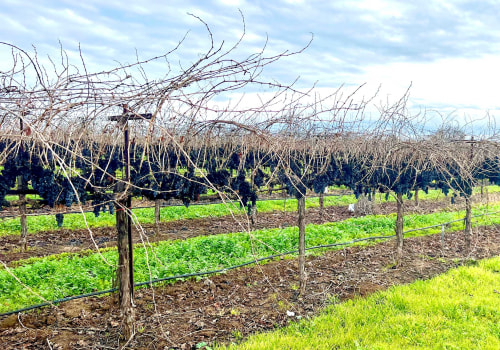
- Cover cropping: Planting cover crops during the off-season can improve soil structure, enhance nutrient availability, and reduce erosion.
- Soil testing: Regular soil tests help farmers understand nutrient levels and pH, allowing for tailored fertilization strategies.
- Organic amendments: Adding compost or other organic materials can boost soil fertility and microbial activity.
Pest Control
Effective pest management is crucial in preventing crop losses. Grape farmers can utilize integrated pest management (IPM) techniques, which include:- Monitoring: Regularly inspecting vineyards for signs of pests or diseases helps in early detection.
- Biological controls: Introducing natural predators or beneficial insects can help manage pest populations without harmful chemicals.
- Cultural practices: Crop rotation and proper sanitation can reduce pest habitats and breeding grounds.
Irrigation Techniques
Water management is vital, especially in regions prone to drought or heavy rainfall. Effective irrigation strategies include:- Drip irrigation: This method delivers water directly to the plant roots, minimizing waste and reducing disease risk associated with wet foliage.
- Soil moisture sensors: Utilizing technology to monitor soil moisture levels ensures that irrigation is applied only when necessary, conserving water resources.
- Drought-resistant varieties: Selecting grape varieties that are more tolerant to dry conditions can significantly reduce the impact of water scarcity.
Crisis Management: Responding to Crop Losses
When faced with crop failures or losses, grape farmers must act swiftly and strategically to mitigate the impact on their vineyards.Crisis management
in grape farming involves both immediate responses and long-term recovery strategies.Immediate Actions
- Assess the Damage: The first step is to evaluate the extent of the loss.
Farmers should inspect their vineyards thoroughly to determine which areas are affected and the severity of the damage.
- Document Losses: Keeping detailed records of the losses is crucial for insurance claims and future planning. Photographs and written accounts can help substantiate claims.
- Communicate with Stakeholders: Informing employees, suppliers, and customers about the situation is essential. Transparency can help maintain relationships and manage expectations.
- Implement Immediate Mitigation Measures: Depending on the cause of the loss, farmers may need to take quick actions such as applying fungicides for mold or adjusting irrigation systems to prevent further damage.
Long-Term Recovery Strategies
- Diversification: To reduce future risks, grape farmers can consider diversifying their crops or investing in different grape varieties that may be more resilient to adverse weather conditions.
- Invest in Technology: Utilizing advanced technologies such as weather monitoring systems and precision agriculture tools can help farmers make informed decisions and respond proactively to potential threats.
- Soil Health Management: Focusing on soil health through organic amendments and cover cropping can enhance resilience against pests and diseases, ultimately leading to better recovery outcomes.
- Insurance Coverage: Reviewing and updating insurance policies regularly ensures that farmers are adequately protected against various risks associated with grape farming.
Financial Implications of Crop Failures
The financial implications of crop failures in grape farming can be devastating, affecting not only the immediate income of farmers but also their long-term viability. When adverse weather conditions such as frost, hail, or drought strike, the yield can plummet, leading to significant revenue losses.For many grape farmers, especially those operating on tight margins, a single bad season can jeopardize their entire operation.To mitigate these risks, many vineyard owners turn to insurance for vineyards. Crop insurance policies specifically designed for grape farming can provide a safety net against unforeseen losses. These policies typically cover a range of perils, including natural disasters and pest infestations. However, understanding the nuances of these policies is crucial; farmers must assess their coverage options carefully to ensure they are adequately protected.In addition to private insurance, government assistance programs can play a vital role in helping farmers recover from crop failures.
Programs such as the Federal Crop Insurance and the Emergency Conservation Program offer financial support and resources for recovery. These initiatives are designed to help farmers rebuild their operations and stabilize their income after a loss.Moreover, economic recovery for farmers often involves diversifying their income streams. Many grape farmers are exploring alternative crops or value-added products like wine production to buffer against future losses. By diversifying, they can create additional revenue sources that may help sustain them during challenging times.Ultimately, while the financial impact of crop loss in grape farming can be severe, proactive measures such as securing insurance and seeking government assistance can significantly alleviate the burden.
By planning ahead and being prepared for potential setbacks, grape farmers can enhance their resilience and ensure the sustainability of their operations.
Innovative Technologies in Grape Farming Resilience
In the face of unpredictable weather patterns and other challenges, grape farmers are increasingly turning to innovative technologies to bolster their resilience. One of the most significant advancements in this area is precision agriculture, which utilizes data-driven insights to optimize vineyard management.Precision agriculture
employs a variety of tools, including satellite imagery, drones, and soil sensors, to monitor vineyard conditions in real-time. These technologies allow farmers to gather critical data on soil moisture levels, nutrient availability, and pest populations. By analyzing this data, grape farmers can make informed decisions about irrigation, fertilization, and pest control, ultimately enhancing crop health and yield.- Drones: Equipped with high-resolution cameras and sensors, drones can survey large vineyard areas quickly.
They provide detailed aerial imagery that helps farmers identify problem areas that may require immediate attention.
- Soil Sensors: These devices measure soil moisture and nutrient levels, enabling farmers to apply water and fertilizers more efficiently. This targeted approach not only conserves resources but also minimizes environmental impact.
- Weather Forecasting Tools: Advanced weather prediction models help grape farmers anticipate adverse weather events. By receiving timely alerts about potential frost or heavy rainfall, they can take proactive measures to protect their crops.
This capability is crucial for developing strategies that mitigate risks associated with climate change and other external factors.In conclusion, the adoption of innovative technologies in grape farming not only enhances resilience against crop failures but also promotes sustainable practices that benefit both farmers and the environment. As these technologies continue to evolve, they will play an increasingly vital role in shaping the future of viticulture.
Case Studies: Successful Recovery from Crop Failures
Crop failures in grape farming can be devastating, but many farmers have turned adversity into opportunity through innovative recovery strategies. Here are a few inspiring case studies that highlight successful recovery from crop losses.Case Study 1: The Resilient Vineyard
In California's Napa Valley, a vineyard faced severe frost damage that wiped out a significant portion of their crop. Instead of succumbing to despair, the owners implemented a series of recovery measures:- Replanting with Resilient Varieties: They chose grape varieties that were more resistant to cold temperatures.
- Investing in Technology: The vineyard installed frost protection systems, including wind machines and heaters, to mitigate future risks.
- Diversifying Income Streams: They began offering vineyard tours and wine tasting events, which provided additional revenue while the new vines matured.
Case Study 2: The Community Approach
A family-owned vineyard in Oregon experienced significant losses due to heavy rains during harvest season.Rather than facing the challenge alone, they reached out to neighboring farms for support:
- Collaborative Harvesting: They organized a community harvest day, where local farmers came together to help each other gather grapes before the rain caused further damage.
- Shared Resources: By pooling resources, they were able to rent drying equipment and storage facilities, minimizing spoilage.
- Community Marketing: Together, they launched a marketing campaign promoting their wines as "community-crafted," which resonated with consumers and boosted sales.
Case Study 3: Innovative Practices
A vineyard in Texas faced severe drought conditions that threatened their entire crop. To combat this, they adopted several innovative practices:- Water Conservation Techniques: They implemented drip irrigation systems that significantly reduced water usage while ensuring the vines received adequate moisture.
- Drought-Resistant Cover Crops: Planting cover crops helped improve soil health and retain moisture, providing a buffer against future droughts.
- Sustainable Practices: By focusing on organic farming methods, they attracted a niche market willing to pay premium prices for sustainably produced wines.
FAQs About Crop Failures in Grape Farming
When it comes to grape farming, crop failures can be a significant concern for vineyard owners. Here are some frequently asked questions regarding this issue:- What are the common causes of crop loss in grape farming?
Crop losses in grape farming can occur due to various factors, including: - Severe weather conditions such as hail, frost, or excessive rainfall.
- Pest infestations that can damage the vines.
- Diseases like powdery mildew or downy mildew that affect grape quality.
- Soil issues, including nutrient deficiencies or poor drainage.
- How do grape farmers mitigate the risks of crop failure?
Farmers employ several strategies to minimize the impact of potential crop failures: - Implementing integrated pest management (IPM) practices to control pests and diseases effectively.
- Utilizing weather forecasting tools to prepare for adverse weather conditions.
- Investing in crop insurance to protect against financial losses.
- Practicing proper vineyard management techniques, such as soil testing and irrigation management.
- What should farmers do after experiencing a crop loss?
After a crop loss, it’s crucial for farmers to: - Assess the extent of the damage and identify the causes.
- Consult with agricultural experts or extension services for guidance on recovery strategies.
- Consider replanting or diversifying crops to reduce future risks.