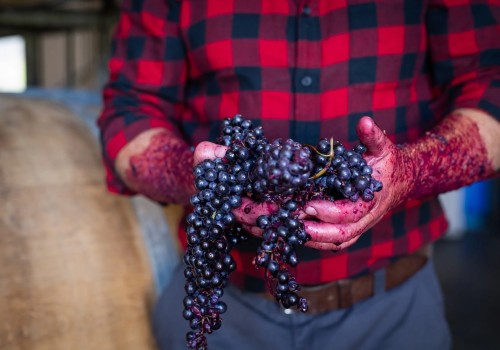
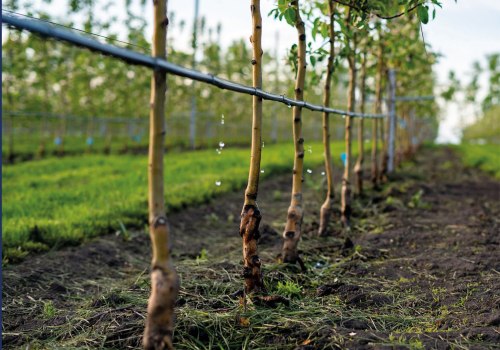
The grape farming industry plays a pivotal role in the agricultural landscape, contributing significantly to both local economies and global markets. Grapes are not only a staple for fresh consumption but also serve as the foundation for a variety of products, including wine, raisins, and juices. This multifaceted nature of grapes makes the industry particularly dynamic, with farmers constantly adapting to changing consumer preferences and market demands. In recent years, the grape farming industry has witnessed notable trends that reflect broader shifts in agricultural practices and consumer behavior. For instance, there has been a growing emphasis on organic and sustainable farming methods, driven by an increasing awareness of health and environmental issues among consumers.
Additionally, the rise of e-commerce has transformed how grape farmers market their products, allowing them to reach a wider audience without the constraints of traditional distribution channels. Understanding these trends is crucial for anyone involved in or entering the grape farming sector. As farmers navigate challenges such as climate change and fluctuating market prices, staying informed about industry developments can provide a competitive edge. This overview sets the stage for a deeper exploration of how grape farmers effectively market and sell their products in an ever-evolving landscape.
Identifying Target Markets for Grape Products
Understanding the target markets for grape products is essential for grape farmers aiming to optimize their marketing strategies. The primary consumers of grapes can be categorized into three main segments: table grape consumers, wine producers, and juice manufacturers.Table Grape Consumers
Table grapes are typically marketed to health-conscious consumers and families looking for nutritious snack options.This demographic often includes:
- Health-conscious individuals: These consumers prioritize fresh, organic produce and are likely to pay a premium for high-quality grapes.
- Families: Parents often seek convenient, healthy snacks for their children, making table grapes an attractive option.
- Retailers: Grocery stores and farmers' markets are key players in distributing table grapes, requiring farmers to establish strong relationships with these outlets.
Wine Producers
The wine market represents a significant opportunity for grape farmers. Understanding the wine market segmentation is crucial:- Premium wine producers: These producers focus on high-quality grapes that can command higher prices in the market.
- Mass-market wineries: They often seek larger quantities of grapes at lower prices, which can influence the types of grapes farmers choose to cultivate.
- Local wineries: Farmers can benefit from establishing partnerships with local wineries, which may prefer sourcing grapes from nearby growers to reduce transportation costs.
Juice Manufacturers
The juice market is another vital segment for grape farmers. Juice manufacturers typically look for:- High-yield varieties: Farmers should consider growing grape varieties that are known for their juice production capabilities.
- Sustainable practices: As consumers become more environmentally conscious, juice manufacturers may prefer sourcing from farms that employ sustainable farming practices.
Building a Brand as a Grape Farmer
In the competitive world of grape farming, establishing a strong brand is essential for standing out in the marketplace. A well-defined brand not only helps in attracting customers but also builds loyalty and trust.Here are some key strategies for grape farmers to create an impactful brand identity:
- Define Your Unique Selling Proposition (USP): Identify what makes your grapes special. This could be the variety, organic farming practices, or unique flavor profiles. Highlighting these aspects can set your brand apart.
- Create a Memorable Brand Name: Choose a name that reflects your farm's values and resonates with your target audience. A catchy and meaningful name can enhance recall and recognition.
- Design an Eye-Catching Logo: Invest in professional logo design that visually represents your brand.
A strong logo can communicate quality and professionalism, making it easier for consumers to remember you.
- Develop a Consistent Brand Voice: Whether through social media, packaging, or marketing materials, maintain a consistent tone that reflects your farm's personality. This helps in building a cohesive brand image.
- Engage with Your Community: Participate in local events, farmers' markets, and wine festivals to connect with consumers directly. Building relationships within the community can enhance brand loyalty.
- Utilize Storytelling: Share the story behind your farm, including its history, values, and farming practices. Consumers are more likely to connect with brands that have a compelling narrative.
In an industry where quality and authenticity are paramount, a well-crafted brand can significantly influence consumer choices and drive sales.
Utilizing Digital Marketing Strategies
In today's digital age, grape farmers can significantly enhance their marketing efforts by leveraging various digital marketing strategies. These strategies not only help in reaching a broader audience but also in building a loyal customer base.Social Media Marketing
One of the most effective ways for grape farmers to connect with consumers is through social media platforms. By creating engaging content that showcases their vineyards, grape varieties, and the winemaking process, farmers can attract potential customers. Platforms like Instagram and Facebook are particularly useful for sharing high-quality images and videos that highlight the beauty of grape farming.- Instagram: Use visually appealing posts to showcase your grapes and vineyard.
- Facebook: Create events for wine tastings or farm tours to engage with the community.
- Twitter: Share quick updates and interact with customers in real-time.
Email Campaigns
Email marketing remains a powerful tool for grape farmers.By building an email list of customers and interested parties, farmers can send out newsletters that include updates on harvests, special promotions, and upcoming events. This direct line of communication helps maintain customer interest and encourages repeat purchases.
Website Optimization
A well-optimized website is crucial for any grape farming business. Farmers should ensure their websites are user-friendly, mobile-responsive, and contain relevant information about their products. Incorporating SEO best practices, such as using keywords related to grape farming, can improve visibility on search engines, making it easier for potential customers to find them online.Additionally, including an online store on their website allows grape farmers to sell directly to consumers, expanding their market reach beyond local sales.By embracing these online marketing strategies, grape farmers can effectively promote their products, engage with customers, and ultimately drive sales in an increasingly digital marketplace.Participating in Local and Regional Markets
For grape farmers, participating in local and regional markets is essential for maximizing sales and building a loyal customer base.These markets not only provide a platform for direct sales but also foster community relationships that can enhance brand recognition.
Local farmers markets
are a prime opportunity for grape farmers to showcase their products. Setting up a booth at these markets allows farmers to engage directly with consumers, offering samples and sharing the story behind their grapes. This personal touch can significantly influence purchasing decisions, as customers often prefer to buy from local producers they trust.- Build Relationships: Establishing connections with local chefs and restaurant owners can lead to consistent orders and collaborations. Consider offering exclusive deals or hosting tasting events to attract their interest.
- Participate in Community Events: Engage in local festivals or agricultural fairs where grape products can be highlighted.
These events often draw large crowds and provide excellent exposure.
- Utilize Social Media: Promote your participation in local markets through social media platforms. Share updates, photos, and customer testimonials to create buzz around your presence.
Wholesale opportunities
with grocery stores and specialty shops can also be lucrative.Farmers should research potential retailers that prioritize local produce and approach them with samples and pricing information. Building a strong relationship with these retailers can lead to long-term partnerships that benefit both parties.Ultimately, the key to success in local and regional markets lies in understanding the community's needs and preferences. By actively participating in these markets, grape farmers can not only increase their sales but also contribute to the local economy and promote sustainable farming practices.
Collaborating with Other Producers and Businesses
In the competitive landscape of grape farming, collaboration can be a game-changer for farmers looking to enhance their marketing efforts. By forming partnerships with other producers and businesses, grape farmers can leverage shared resources, knowledge, and networks to reach broader audiences.Benefits of Collaboration
- Increased Visibility: Partnering with local wineries allows grape farmers to showcase their products in a more prominent setting.
Wineries often have established customer bases and marketing channels that can help promote the grapes.
- Shared Marketing Costs: Collaborative marketing strategies, such as joint advertising campaigns or shared booths at farmers' markets, can significantly reduce costs for individual farmers while maximizing exposure.
- Diverse Product Offerings: By collaborating with local restaurants, grape farmers can create unique wine and food pairings that highlight their products. This not only enhances the dining experience but also promotes the farm's grapes as a premium ingredient.
Cooperative Marketing Strategies
Implementing cooperative marketing strategies can further amplify the benefits of collaboration. Here are some effective approaches:
- Joint Events: Organizing events such as wine tastings or vineyard tours in collaboration with local businesses can attract more visitors and create a memorable experience that encourages repeat business.
- Cross-Promotion: Farmers can work with local chefs to feature their grapes in seasonal menus, while chefs can promote the farm through their social media channels, creating a win-win situation.
- Community Supported Agriculture (CSA): Forming a CSA with other local producers allows grape farmers to offer a diverse selection of products, making subscriptions more appealing to consumers.
Leveraging Seasonal Events and Promotions
Seasonal events and promotions play a crucial role in the marketing strategy of grape farmers.By aligning their sales efforts with seasonal trends, farmers can effectively engage customers and boost their sales. Here are some strategies to consider:
- Harvest Festivals: Organizing or participating in local harvest festivals can create a vibrant atmosphere where consumers can taste and purchase fresh grapes. These events not only promote the product but also foster community engagement.
- Seasonal Promotions: Offering discounts or special deals during peak seasons, such as back-to-school or holiday seasons, can attract more customers. For instance, bundling grapes with other seasonal fruits can encourage larger purchases.
- Wine Tasting Events: If grape farmers also produce wine, hosting wine tasting events can be an excellent way to showcase their products.
These events can be marketed through social media and local advertising to draw in crowds.
- Farmers' Markets: Participating in farmers' markets during the growing season allows grape farmers to connect directly with consumers. This face-to-face interaction helps build brand loyalty and provides an opportunity for education about the benefits of their grapes.
FAQs About Grape Farming Marketing Strategies
When it comes to grape farming, understanding the marketing landscape is crucial for success.Here are some frequently asked questions that can help grape farmers navigate their marketing strategies:
What are effective marketing strategies for selling grapes?
Effective marketing strategies for grape farmers include:- Direct Sales: Selling directly to consumers at farmers' markets or through community-supported agriculture (CSA) programs can enhance profit margins.
- Online Presence: Establishing a website and utilizing social media platforms can help reach a broader audience and engage with potential customers.
- Partnerships: Collaborating with local restaurants, wineries, and grocery stores can create mutually beneficial relationships that boost sales.
- Branding: Developing a strong brand identity that reflects the quality and uniqueness of your grapes can attract more customers.
How can grape farmers utilize social media for marketing?
Social media is a powerful tool for grape farmers. Here are some tips:- Visual Content: Share high-quality images and videos of your vineyard, grape varieties, and harvesting processes to engage followers.
- Storytelling: Use platforms like Instagram and Facebook to tell the story of your farm, including challenges and successes, which can create a personal connection with consumers.
- Promotions: Announce special offers or events through social media to drive traffic to your sales channels.
What are some common mistakes in selling grapes?
Avoid these pitfalls to enhance your sales efforts:- Lack of Research: Failing to understand market demand and consumer preferences can lead to poor sales.
- Poor Quality Control: Selling subpar grapes can damage your reputation; always ensure quality before reaching the market.
- Ineffective Pricing: Setting prices too high or too low can deter customers; conduct market analysis to find the right balance.
Conclusion: Key Takeaways for Grape Farmers
In conclusion, the success of grape farming hinges significantly on the implementation of effective marketing strategies. Throughout this article, we have explored various methods that grape farmers can utilize to enhance their market presence and boost sales.Understanding Your Market
One of the key takeaways is the importance of understanding your target market. Grape farmers should conduct thorough market research to identify consumer preferences and trends.This knowledge allows them to tailor their products and marketing efforts accordingly.
Diversifying Sales Channels
Diversifying sales channels is another crucial strategy. By selling directly to consumers through farmers' markets, online platforms, or local wineries, grape farmers can increase their profit margins and build a loyal customer base. Additionally, establishing partnerships with restaurants and retailers can further expand their reach.Branding and Storytelling
Effective branding and storytelling also play a vital role in marketing. Farmers should create a strong brand identity that resonates with consumers, highlighting the unique qualities of their grapes and the sustainable practices they employ.Sharing the story behind their farming journey can create an emotional connection with customers, fostering brand loyalty.