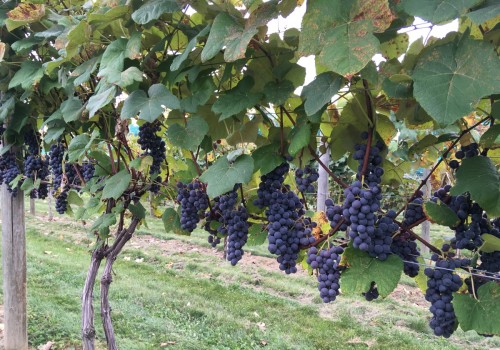
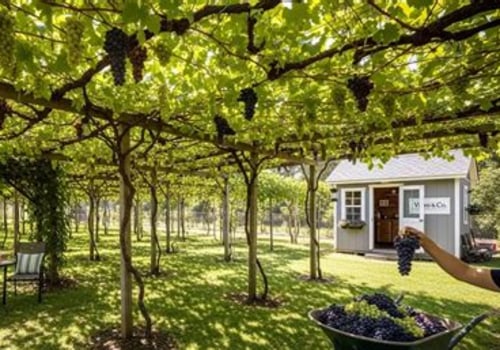
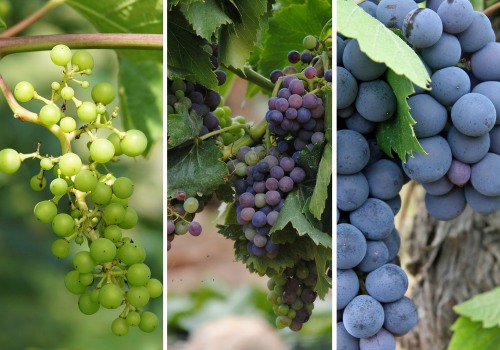
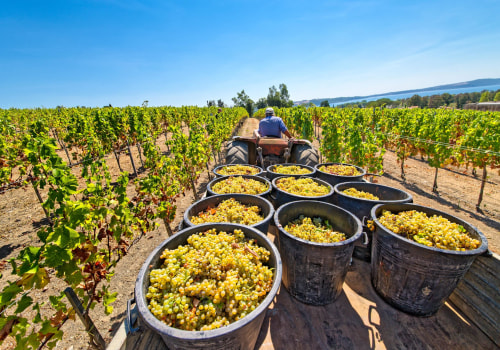
Grape farming, also known as viticulture, is a vital component of the agricultural landscape, contributing significantly to both local economies and global markets. The cultivation of grapes is not merely about growing fruit; it encompasses a rich tapestry of practices that include soil management, pest control, and the intricate art of winemaking. Understanding the fundamentals of grape cultivation is essential for anyone interested in this field, as it lays the groundwork for successful farming operations. At its core, viticulture involves selecting the right grape varieties suited to specific climates and soils, which can vary dramatically across regions. Factors such as temperature, rainfall, and sunlight play crucial roles in determining the quality and yield of grape crops.
As such, grape farmers must be adept at adapting their practices to meet the demands of their environment while also considering market trends and consumer preferences. However, the landscape of grape farming is increasingly challenged by external factors, particularly climate change and shifting weather patterns. These elements not only affect traditional growing seasons but also influence grape quality and vineyard sustainability. As we delve deeper into this topic, we will explore how these environmental changes are reshaping the future of viticulture and what farmers can do to mitigate their impacts.
The Role of Climate in Grape Farming
Climate plays a pivotal role in grape farming, influencing not only the growth of the vines but also the quality and flavor profile of the grapes produced. Understanding how various climate conditions affect grape growth is essential for farmers aiming to optimize their yields and produce high-quality wines.Temperature
is one of the most critical factors in grape cultivation.Grapes generally thrive in regions where the average temperature ranges between 50°F and 95°F. Temperatures that are too low can hinder vine growth, while excessively high temperatures can lead to sunburned grapes and reduced acidity, impacting the overall flavor. For instance, regions like Napa Valley benefit from warm days and cool nights, which help maintain acidity levels in the grapes.Another significant aspect is humidity. Grapes require a certain level of moisture in the air to grow effectively, but too much humidity can lead to fungal diseases such as powdery mildew.
Farmers must monitor humidity levels closely, especially during critical growth phases, to ensure healthy vine development.
Sunlight exposure
is equally important. Grapes need ample sunlight for photosynthesis, which is vital for sugar production. The orientation of vineyards can significantly affect sunlight exposure; south-facing slopes typically receive more sunlight, enhancing grape ripening. Farmers often employ techniques such as trellising to maximize sunlight exposure on their vines.Different climate zones also dictate which grape varieties can be successfully cultivated.For example, cooler climates are suitable for varieties like Pinot Noir, while warmer regions are ideal for Cabernet Sauvignon. Understanding these climate zones allows farmers to select the right grape varieties that will thrive in their specific conditions.In conclusion, adapting to changing climate conditions is crucial for successful grape farming. By understanding the impacts of temperature, humidity, and sunlight on grape growth, farmers can implement strategies that enhance their vineyard's resilience and productivity.
Weather Patterns and Their Effects on Grapes
Weather patterns play a crucial role in grape farming, influencing both the yield and quality of grapes. Variability in weather can lead to significant challenges for vineyard owners, making it essential to understand how different conditions affect grape production.Rainfall Effects on Grapes
Rainfall is a double-edged sword for grape farmers.While adequate moisture is necessary for healthy vine growth, excessive rainfall can lead to problems such as:
- Fungal Diseases: High humidity and wet conditions create an ideal environment for diseases like powdery mildew and botrytis, which can devastate crops.
- Soil Erosion: Heavy rains can wash away topsoil, reducing the land's fertility and affecting the root systems of grapevines.
- Delayed Harvest: Wet conditions can delay the ripening process, leading to a mismatch between optimal harvest times and weather conditions.
Drought Impact on Vineyards
Conversely, drought poses its own set of challenges. Insufficient water supply can lead to:- Reduced Yield: Water stress can cause vines to produce fewer grapes, directly impacting the quantity of wine produced.
- Concentration of Flavors: While some winemakers appreciate the concentrated flavors that come from drought-stressed grapes, this can also lead to imbalances in acidity and sugar levels.
- Long-term Damage: Prolonged drought conditions can weaken vines, making them more susceptible to pests and diseases in subsequent growing seasons.
Adapting to Climate Change: Strategies for Grape Farmers
As climate change continues to reshape the agricultural landscape, grape farming must evolve to ensure sustainability and productivity.Farmers are increasingly adopting various strategies to mitigate the impacts of changing weather patterns and to enhance resilience in their vineyards.Sustainable Viticulture Practices
- Soil Health Management: Maintaining healthy soil is crucial for grape quality and yield. Practices such as cover cropping, reduced tillage, and organic amendments can improve soil structure and fertility, helping vines withstand climate stress.
- Water Conservation: Implementing efficient irrigation systems, such as drip irrigation, allows farmers to optimize water use. Rainwater harvesting and the use of moisture sensors can further enhance water management.
- Biodiversity Promotion: Encouraging biodiversity within vineyards can create a more resilient ecosystem. Planting cover crops and maintaining natural habitats can attract beneficial insects and improve pest control.
- Precision Agriculture: Utilizing technology such as drones and satellite imagery enables farmers to monitor vineyard conditions closely.
This data-driven approach allows for precise interventions, optimizing inputs like water and fertilizers.
- Climate-Resilient Varieties: Selecting grape varieties that are more tolerant to heat and drought can significantly enhance resilience. Research into hybrid grapes that thrive under changing climatic conditions is gaining traction.
Case Studies: Successful Adaptations in Grape Farming
As climate change continues to reshape the landscape of agriculture, grape farming has seen innovative adaptations that not only mitigate risks but also enhance productivity. Here are some notable case studies of vineyards that have successfully navigated these challenges.1.The Napa Valley Experiment
Napa Valley, known for its premium wines, has faced increasing temperatures and unpredictable weather patterns.In response, many vineyards have adopted cover cropping techniques to improve soil health and moisture retention. For instance, Stag's Leap Wine Cellars implemented a diverse cover crop strategy that includes legumes and grasses, which not only enrich the soil but also help in managing water resources more effectively.
2.Sustainable Practices in Bordeaux
Bordeaux vineyards have long been at the forefront of viticulture innovation. Château Margaux, for example, has embraced sustainable farming practices by reducing chemical inputs and enhancing biodiversity. They have introduced integrated pest management (IPM) systems that rely on natural predators to control pests, thereby reducing reliance on pesticides and improving the overall health of the vineyard ecosystem.3.Water Management in Australia
In Australia, where drought conditions are becoming more frequent, vineyards like Penny's Hill have implemented advanced irrigation systems that utilize drip irrigation technology.This method allows for precise water application directly to the roots of the vines, significantly reducing water waste while ensuring that the grapes receive adequate hydration during critical growth periods.
4.Climate-Resilient Varietals in South Africa
The changing climate has prompted South African vineyards to explore climate-resilient grape varietals. For instance, Groot Constantia has begun experimenting with lesser-known varietals that are more tolerant to heat and drought conditions. This shift not only diversifies their offerings but also enhances their resilience against climate variability.These case studies illustrate that through innovative practices and a commitment to sustainability, grape farmers can adapt to the challenges posed by climate change while continuing to produce high-quality wines. The lessons learned from these successful adaptations can serve as a blueprint for other vineyards facing similar challenges.Future Trends in Grape Farming Amid Climate Change
As climate change continues to reshape our environment, the future of grape farming is poised for significant transformation.With rising temperatures and shifting weather patterns, viticulturists are increasingly adapting their practices to ensure sustainability and quality in grape production.
Shifts in Grape Varieties
- One of the most notable trends is the potential shift in grape varieties that can thrive in warmer climates. Traditional varieties may struggle, leading farmers to explore more heat-resistant options.
- For instance, grapes like Sangiovese and Grenache, which are known for their resilience to heat, may become more prevalent in regions previously dominated by cooler-climate varieties.
Geographic Changes in Vineyard Locations
- The geographic landscape of vineyards is also expected to change. Regions that were once considered marginal for grape growing may become prime locations as temperatures rise.
- Areas such as northern Europe and parts of Canada are already seeing an increase in vineyard establishment, as they offer new opportunities for grape farming.
Market Implications
- The market implications of these changes are profound. As new regions emerge as viable grape-growing areas, the global wine market may experience shifts in production and pricing.
- Additionally, consumer preferences may evolve as they seek wines from these newly established regions, potentially leading to a diversification of wine offerings.
By embracing new varieties and adapting to changing climates, the industry can continue to thrive despite the challenges posed by a warming world.
FAQs About Climate Change and Grape Farming
As climate change continues to reshape our environment, many grape farmers are left with pressing questions about how these changes will impact their livelihoods. Here are some frequently asked questions regarding grape farming and climate change:How does climate change affect grape quality?
Climate change can significantly influence the quality of grapes. Warmer temperatures can lead to earlier ripening, which may affect the balance of sugars and acidity in the grapes. This imbalance can result in wines that are either too sweet or lack the necessary acidity for a well-rounded flavor profile.What are the common concerns about viticulture in changing climates?
- Pest and disease pressure: Warmer temperatures can expand the range of pests and diseases that affect grapevines, making it crucial for farmers to adapt their management practices.
- Water availability: Changes in precipitation patterns can lead to droughts or excessive rainfall, both of which pose challenges for irrigation and vineyard health.
- Soil health: Increased temperatures and altered rainfall can impact soil composition and fertility, affecting grapevine growth and yield.
Can grape farmers adapt to climate change?
Yes, many grape farmers are implementing adaptive strategies to mitigate the effects of climate change.These include:
- Diverse planting: Introducing a wider variety of grape species that are more resilient to heat and drought.
- Innovative irrigation techniques: Utilizing drip irrigation and rainwater harvesting to optimize water use.
- Sustainable practices: Adopting organic farming methods to enhance soil health and biodiversity.
Conclusion: The Future of Grape Farming in a Changing Climate
As we look towards the future of grape farming, it is clear that the impacts of climate change and shifting weather patterns will play a pivotal role in shaping the industry. The challenges posed by rising temperatures, altered precipitation patterns, and increased frequency of extreme weather events necessitate a proactive approach from grape farmers.Throughout this article, we have explored how these climatic changes affect grape quality, yield, and disease susceptibility. It is essential for farmers to recognize that adapting their practices is not just beneficial but crucial for sustainability. Here are some key takeaways:- Soil Management: Implementing sustainable soil management practices can enhance resilience against climate variability.
- Diverse Varietals: Exploring and planting grape varieties that are more tolerant to heat and drought can help mitigate risks associated with climate change.
- Irrigation Techniques: Adopting advanced irrigation methods, such as drip irrigation, can optimize water usage and ensure that vines receive adequate moisture during dry spells.
- Pest and Disease Control: Monitoring pest populations and employing integrated pest management strategies will be vital as warmer temperatures may lead to new pest challenges.
By sharing knowledge and resources, grape farmers can develop innovative solutions tailored to their specific regions. Engaging with agricultural scientists and climate experts can also provide valuable insights into best practices for adapting to changing conditions.In conclusion, while the future of grape farming may seem uncertain due to climate change, it also presents an opportunity for innovation and resilience. By embracing adaptive strategies and remaining vigilant in monitoring environmental changes, grape farmers can not only survive but thrive in a changing climate.