Grape farming is a meticulous process that requires not only knowledge of viticulture but also the right tools and equipment to ensure a successful harvest. The choice of grape farming tools can significantly impact the quality of the grapes produced, as well as the efficiency of the farming operations. From planting to pruning and harvesting, each stage of grape cultivation demands specific implements designed to meet the unique challenges of vineyard management. Understanding the various types of vineyard tools available is essential for both novice and experienced grape farmers. These tools range from simple hand-held devices to advanced machinery that can automate labor-intensive tasks.
For instance, pruning shears are vital for maintaining vine health, while tractors equipped with specialized attachments can streamline planting and harvesting processes. The right equipment not only enhances productivity but also contributes to sustainable farming practices by minimizing waste and reducing labor costs. As we delve deeper into the world of grape farming, we will explore the essential equipment that every vineyard should consider. By equipping yourself with the right tools, you can optimize your vineyard's performance and ultimately produce high-quality grapes that stand out in the competitive market. Whether you are managing a small family vineyard or a large commercial operation, understanding these tools will empower you to make informed decisions that benefit your grape farming endeavors.
Essential Hand Tools for Grape Farming
In the world of grape farming, having the right hand tools is essential for maintaining a healthy vineyard.These tools not only enhance productivity but also ensure that the grapes are cultivated with care and precision. Here are some of the most important hand tools every grape farmer should have:
- Pruning Shears: One of the most vital tools in grape farming, pruning shears are used to trim and shape grapevines. Regular pruning helps to promote better air circulation and sunlight exposure, which are crucial for healthy growth. Look for ergonomic designs that reduce hand fatigue during long hours of work.
- Hoe: A hoe is indispensable for weed control in vineyards.
It allows farmers to easily cultivate the soil around the vines, removing unwanted plants that compete for nutrients and water. Using a hoe can also help in shaping the soil, ensuring proper drainage and aeration.
- Shovel: A shovel is essential for various tasks, including planting new vines, digging holes for trellises, and moving soil or compost. A sturdy shovel with a sharp blade can make these tasks much easier and more efficient.
- Hand Trowel: Useful for planting and transplanting small vines.
- Garden Fork: Ideal for loosening soil and mixing in organic matter.
- Spray Bottle: Handy for applying organic pesticides or fertilizers directly to the plants.
Mechanical Equipment Used in Vineyards
In the world of grape farming, mechanical equipment plays a crucial role in enhancing productivity and efficiency.Various machines are designed to assist vineyard managers in tasks ranging from soil preparation to pest control. Here are some of the most common types of mechanical equipment used in vineyards:
- Tractors: Tractors are the backbone of any vineyard operation. They are versatile machines that can be equipped with different attachments for various tasks, such as plowing, tilling, and transporting materials. Their ability to navigate between rows of vines makes them essential for maintaining vineyard health.
- Tillers: Tilling is an important process in grape farming, as it helps aerate the soil and control weeds.
Tillers break up compacted soil, allowing for better root development and nutrient absorption. This equipment can be attached to tractors, making it easier to cover large areas efficiently.
- Sprayers: Pest and disease management is vital in grape cultivation, and sprayers are indispensable for applying pesticides and fungicides. Modern sprayers can be adjusted for precision application, ensuring that chemicals reach the intended targets without excessive runoff or waste.
Irrigation Systems for Grape Vines
Effective irrigation systems are crucial for successful grape farming, as they ensure that grapevines receive the right amount of water to thrive.The choice of irrigation system can significantly impact vine health, fruit quality, and overall yield. Here, we will explore two popular irrigation methods: drip irrigation and sprinkler systems.
Drip Irrigation
Drip irrigation is widely regarded as one of the most efficient methods for watering grapevines. This system delivers water directly to the root zone through a network of tubes and emitters, minimizing evaporation and runoff. Some key benefits of drip irrigation include:- Water Efficiency: Drip systems use significantly less water compared to traditional methods, making them ideal for regions with limited water resources.
- Targeted Application: Water is applied directly to the roots, promoting deep root growth and reducing weed competition.
- Fertility Management: Nutrients can be injected into the irrigation system, allowing for precise fertilization tailored to the vines' needs.
Sprinkler Systems
Sprinkler systems, on the other hand, are another viable option for grape farming.These systems distribute water over a larger area, mimicking natural rainfall. While they may not be as efficient as drip systems, they offer several advantages:
- Versatility: Sprinklers can be used for both irrigation and frost protection, making them a multifunctional tool in vineyard management.
- Coverage: They provide uniform coverage over large areas, which can be beneficial for vineyards with varying soil types.
- Ease of Installation: Sprinkler systems can be easier to install and maintain compared to more complex drip systems.
Pest and Disease Management Tools
Effective pest and disease management is essential in grape farming to ensure the health of the vines and the quality of the grapes. Various tools and methods are employed to combat these challenges, ranging from traditional practices to modern technology.Common Tools for Pest Management
- Insect Traps: Sticky traps and pheromone traps are widely used to monitor and control pest populations.
These traps help in identifying pest species and their population levels, allowing for timely interventions.
- Sprayers: High-quality sprayers are crucial for applying pesticides and fungicides effectively. Options include backpack sprayers for small vineyards and tractor-mounted sprayers for larger operations.
- Biological Control Agents: Utilizing natural predators, such as ladybugs or parasitic wasps, can help manage pest populations without the use of chemicals, aligning with organic pest control practices.
Disease Control Tools
- Fungicides: These chemical agents are vital in preventing and treating fungal diseases like powdery mildew and downy mildew. Selecting the right fungicide based on the specific disease is crucial for effective control.
- Cultural Practices: Implementing practices such as crop rotation, proper pruning, and maintaining good air circulation can significantly reduce disease incidence.
- Soil Testing Kits: Regular soil testing helps identify nutrient deficiencies that can weaken vines, making them more susceptible to diseases. Addressing these deficiencies can enhance vine health.
This strategy combines biological, cultural, and chemical methods to create a sustainable system that minimizes risks to both the environment and human health. By staying informed about the latest advancements in disease control tools and organic practices, grape farmers can protect their crops while promoting a healthy ecosystem.
Harvesting Equipment for Grapes
Harvesting grapes is a critical phase in grape farming, and the right equipment can significantly enhance efficiency while minimizing labor costs. Various tools and machines are available to assist farmers during this crucial time.- Mechanical Grape Harvesters: These machines have revolutionized the way grapes are harvested. They can quickly and efficiently harvest large quantities of grapes, reducing the need for manual labor.
Mechanical harvesters work by shaking the vines, causing ripe grapes to fall onto a conveyor system that transports them to a collection bin.
- Handheld Picking Tools: For smaller vineyards or specific grape varieties that require careful handling, handheld tools such as shears or clippers are essential. These tools allow workers to selectively pick grapes, ensuring that only the best quality fruit is harvested.
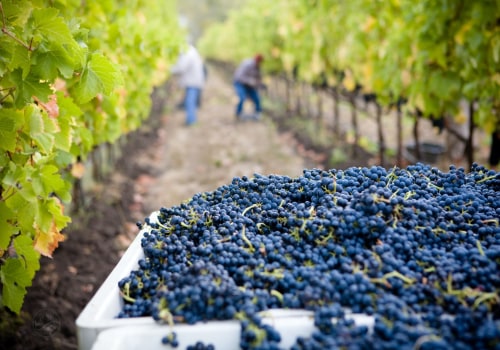
- Harvesting Bins: Once grapes are picked, they need to be transported efficiently. Harvesting bins are designed to hold large quantities of grapes while minimizing damage. Many bins are stackable, making them easy to transport from the vineyard to the processing area.
- Sorting Tables: After harvesting, grapes often go through sorting tables where they are inspected for quality.
This equipment helps remove any damaged or unripe fruit before processing, ensuring that only the best grapes make it to the winery.
Maintenance Tools for Vineyard Care
Maintaining a healthy vineyard is crucial for successful grape farming. The right maintenance tools not only enhance vine health but also improve overall productivity.Here are some essential tools and equipment used in vineyard care:
- Pruning Shears: Essential for vine training and maintaining the shape of the grapevines, pruning shears help in removing dead or excess growth, allowing for better air circulation and sunlight exposure.
- Vine Training Systems: These systems, which include trellises and stakes, support the vines as they grow. Proper training helps in maximizing fruit yield and improving grape quality.
- Soil Management Tools: Tools such as soil testers, tillers, and cultivators are vital for assessing soil health and preparing it for planting. Regular soil testing ensures that nutrient levels are optimal for vine growth.
- Irrigation Equipment: Drip irrigation systems are commonly used in vineyards to provide consistent moisture to the vines while minimizing water waste. This is particularly important in regions with limited rainfall.
- Pest Control Tools: Integrated pest management tools, including traps and sprayers, help protect the vineyard from pests that can damage the grapes.
Regular monitoring and timely intervention are key to maintaining vine health.
- Fertilization Equipment: Spreaders and injectors are used to apply fertilizers effectively. Understanding the specific nutrient needs of grapevines is essential for using these tools effectively.
Innovative Technologies in Grape Farming Equipment
In recent years, innovative technologies have significantly transformed the landscape of grape farming, enabling farmers to enhance productivity and sustainability. One of the most impactful advancements is the adoption of precision agriculture tools, which utilize data-driven insights to optimize vineyard management.Precision agriculture
involves the use of various technologies such as GPS, sensors, and drones to monitor and manage vineyard conditions.These tools allow farmers to collect real-time data on soil moisture, nutrient levels, and crop health, enabling them to make informed decisions about irrigation, fertilization, and pest control.
- Drones: Equipped with high-resolution cameras and multispectral sensors, drones can survey large vineyard areas quickly. They provide valuable aerial imagery that helps in identifying issues like disease outbreaks or water stress before they become critical.
- Soil Sensors: These devices measure soil moisture and nutrient content, allowing for precise irrigation and fertilization. By applying resources only where needed, farmers can reduce waste and improve grape quality.
- GPS Technology: GPS-guided tractors and equipment enable accurate planting and harvesting. This technology minimizes overlap in field operations, saving time and reducing fuel consumption.
These connected devices can communicate with each other to automate various farming processes. For instance, smart irrigation systems can adjust water delivery based on real-time weather data and soil conditions, ensuring optimal hydration for grapevines.The use of machine learning algorithms is also gaining traction in grape farming. By analyzing historical data, these algorithms can predict yield outcomes and identify the best practices for different grape varieties under varying environmental conditions.As grape farming continues to evolve with these innovative technologies, farmers are better equipped to face challenges such as climate change and resource scarcity. Embracing these advancements not only enhances operational efficiency but also contributes to sustainable practices that benefit both producers and consumers alike.
Frequently Asked Questions about Grape Farming Tools
When it comes to grape farming, understanding the tools and equipment available can significantly enhance productivity and efficiency.Here are some frequently asked questions regarding the tools used in grape farming:
What are the essential tools for grape farming?
The essential tools for grape farming include:- Pruning Shears: These are vital for maintaining vine health by trimming excess growth and ensuring proper air circulation.
- Trellis Systems: A good trellis system supports the vines, allowing for better sunlight exposure and easier harvesting.
- Sprayers: Used for applying pesticides and fertilizers, sprayers help protect the grapes from pests and diseases.
- Harvesting Bins: These bins are crucial for collecting grapes during harvest, ensuring they remain intact and undamaged.
- Soil Test Kits: Understanding soil health is key; these kits help determine nutrient levels and pH balance.
How do I choose the right equipment for my vineyard?
Selecting the right equipment depends on several factors:- Vineyard Size: Larger vineyards may require more advanced machinery, such as tractors or mechanical harvesters, while smaller operations might manage with hand tools.
- Type of Grapes: Different grape varieties may have specific needs; research the best practices for your chosen type.
- Budget: Consider your financial resources; investing in quality tools can save money in the long run through increased efficiency.
What maintenance is required for grape farming tools?
Regular maintenance is crucial to ensure longevity and effectiveness:- Cleaning: After each use, clean tools to prevent disease spread among plants.
- Sharpening: Keep cutting tools sharp to make clean cuts, which helps prevent damage to the vines.
- Storage: Store equipment in a dry place to avoid rust and deterioration.
Conclusion: The Importance of Proper Equipment in Grape Farming Success
In conclusion, the success of grape farming heavily relies on the use of appropriate tools and equipment. Throughout this article, we have explored various essential implements that contribute to the efficiency and productivity of grape cultivation. From the initial stages of land preparation to the final harvest, each piece of equipment plays a crucial role. For instance, tractors and tillage tools are vital for soil management, ensuring that the land is well-prepared for planting. Similarly, irrigation systems are indispensable in maintaining optimal moisture levels, which is critical for healthy vine growth. Moreover, during the growing season, pruning shears and trellising systems help in managing vine structure and promoting air circulation, which can significantly reduce disease risk.The use of pesticides and fertilizers, applied with precision through sprayers, ensures that vines receive the necessary nutrients while minimizing environmental impact. The importance of investing in high-quality equipment cannot be overstated. Not only does it enhance productivity, but it also reduces labor costs and increases the overall quality of the grapes produced. Farmers who prioritize proper tools are more likely to achieve higher yields and better fruit quality, ultimately leading to greater profitability. In summary, understanding and utilizing the right equipment in grape farming is essential for achieving successful outcomes. As the industry continues to evolve with advancements in technology, staying informed about new tools and practices will further empower grape farmers to optimize their operations and ensure sustainable growth.