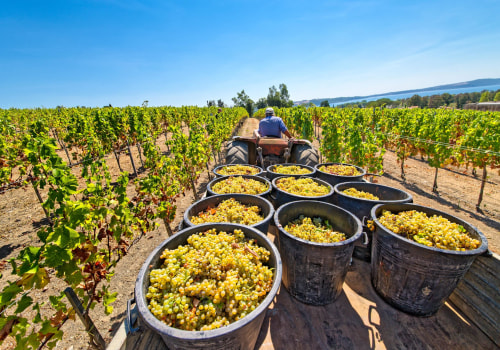
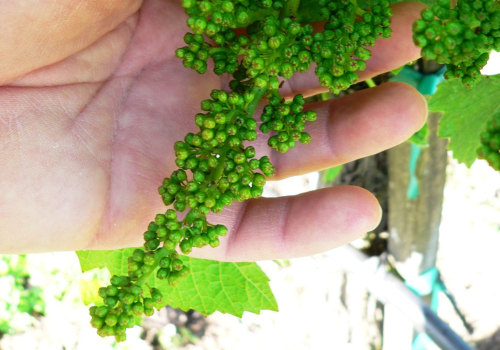
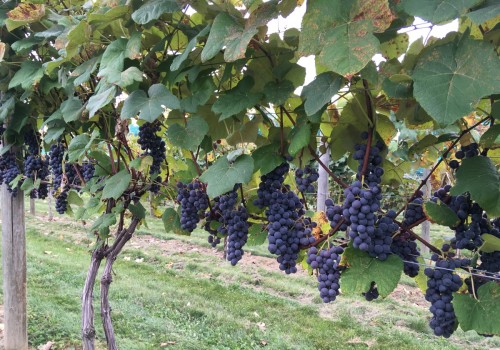
Grape farming is a fascinating and intricate agricultural practice that has captivated farmers and wine enthusiasts alike for centuries. As one of the most widely cultivated fruits globally, grapes play a crucial role in various industries, particularly in wine production. Understanding the typical yield per acre for grape farming is essential for both aspiring vineyard owners and seasoned growers, as it directly impacts profitability and sustainability. The yield of grapes can vary significantly based on several factors, including the grape variety, climate conditions, soil quality, and vineyard management practices. For instance, a well-managed vineyard in a favorable climate can produce yields ranging from 2 to 10 tons per acre, while less optimal conditions may result in lower outputs.
This variability highlights the importance of effective vineyard management, which encompasses everything from soil preparation to pest control and irrigation. As we delve deeper into the specifics of grape production, it becomes clear that achieving optimal yields requires a comprehensive understanding of these influencing factors. By exploring the nuances of grape farming, we can uncover strategies that not only enhance yield but also improve the overall quality of the grapes produced. This exploration will provide valuable insights for anyone interested in maximizing their grape farming endeavors.
Factors Affecting Grape Yield
When it comes to grape farming, several key factors can significantly influence the yield per acre. Understanding these factors is essential for vineyard owners aiming to optimize their production.Climate
The climate of a region plays a crucial role in grape yield.Grapes thrive in areas with a Mediterranean climate, characterized by warm, dry summers and mild, wet winters. Temperature fluctuations during the growing season can affect the ripening process, ultimately impacting the quantity and quality of the harvest. Regions that experience extreme weather conditions, such as frost or excessive rainfall, may see reduced yields.
Soil Type
The type of soil in which grapes are planted also affects their growth and productivity. Well-drained soils rich in organic matter are ideal for grape farming.Soils that retain too much moisture can lead to root diseases, while overly sandy soils may not provide sufficient nutrients. Conducting soil tests can help farmers determine the best amendments needed to enhance soil fertility and structure.
Vineyard Management Practices
Effective vineyard management practices are vital for maximizing grape yield. This includes proper pruning techniques, pest and disease control, and irrigation management. Regular monitoring of vine health and implementing sustainable practices can lead to healthier plants and better yields.Additionally, the timing of harvest is critical; picking grapes at their peak ripeness ensures optimal flavor and quality.
Grape Variety
The choice of grape variety is another significant factor influencing yield. Different varieties have varying growth habits, disease resistance, and yield potential. Some varieties are more suited to specific climates and soils than others. Selecting the right grape variety for the local conditions can lead to higher productivity and better-quality wine. In summary, grape farming yields are influenced by a combination of climate, soil type, vineyard management practices, and grape variety.By carefully considering these factors, vineyard owners can enhance their chances of achieving optimal yields per acre.
Typical Yield Per Acre for Different Grape Varieties
When it comes to grape farming, understanding the typical yield per acre is crucial for both new and experienced growers. Different grape varieties exhibit varying yields based on factors such as climate, soil type, and farming practices. Below are some common grape varieties and their estimated yields:- Cabernet Sauvignon: This popular red wine grape typically yields between 2 to 6 tons per acre. The yield can vary significantly depending on the vineyard's location and management practices.
- Chardonnay: Known for its versatility, Chardonnay grapes generally produce around 3 to 8 tons per acre.
Regions with cooler climates often see lower yields but higher quality fruit.
- Merlot: Another widely cultivated red variety, Merlot can yield approximately 3 to 7 tons per acre. Like Cabernet Sauvignon, its yield is influenced by vineyard conditions.
- Sauvignon Blanc: This white grape variety usually yields between 4 to 10 tons per acre. Its adaptability to different climates allows for a broad range of production levels.
- Zinfandel: Often associated with California, Zinfandel can yield about 2 to 5 tons per acre. The yield may be lower in older vineyards where the focus is on quality over quantity.
Growers who implement sustainable practices often find that while their initial yields may be lower, the long-term benefits include improved fruit quality and soil health. Ultimately, the typical yield per acre for grape farming varies widely based on the chosen variety and local conditions. Understanding these nuances can help farmers make informed decisions that align with their production goals.
Regional Differences in Grape Yields
The yield of grapes per acre can vary significantly based on regional differences in climate, soil type, and farming practices. Understanding these variations is crucial for grape farmers aiming to optimize their production.Climate Impact on Grape Yield
- California: Known for its Mediterranean climate, California is one of the largest wine-producing regions in the United States. Here, grape yields can range from 3 to 10 tons per acre, depending on the specific varietal and vineyard management practices.
- Oregon: With a cooler climate, particularly in the Willamette Valley, Oregon typically sees lower yields, averaging around 2 to 6 tons per acre.
The focus here is often on quality over quantity, especially for Pinot Noir.
- Washington: The Columbia Valley offers a diverse climate that can produce yields between 3 to 8 tons per acre. The region benefits from warm days and cool nights, which are ideal for grape ripening.
- New York: In regions like the Finger Lakes, grape yields can vary widely from 2 to 7 tons per acre. The cooler climate allows for the production of high-quality Riesling but can limit overall yield.
Comparative Analysis of Major Wine-Producing Regions
When comparing these regions, it becomes evident that climate plays a pivotal role in determining grape yields. Warmer climates tend to produce higher yields due to longer growing seasons and more favorable conditions for photosynthesis.
Conversely, cooler climates may yield less but often result in grapes with more concentrated flavors and higher acidity, which are desirable for certain wine styles.In addition to climate, factors such as soil composition and vineyard management techniques also contribute significantly to the overall yield. For instance, vineyards that employ sustainable practices may see variations in yield but often achieve better long-term soil health and grape quality.Ultimately, understanding these regional differences in grape farming is essential for farmers looking to maximize their output while maintaining quality. By tailoring their practices to the specific conditions of their region, grape growers can enhance both yield and flavor profiles in their wines.
Best Practices for Maximizing Grape Yield
To achieve optimal yields in grape farming, implementing effective vineyard management practices is essential. Here are some best practices that can significantly enhance grape yield while promoting sustainability:- Soil Health Management: Regular soil testing helps determine nutrient levels and pH balance.
Incorporating organic matter, such as compost or cover crops, can improve soil structure and fertility, leading to healthier vines.
- Water Management: Efficient irrigation systems, such as drip irrigation, ensure that vines receive adequate moisture without waterlogging. Monitoring soil moisture levels can help prevent drought stress and promote optimal growth.
- Pest and Disease Control: Integrated Pest Management (IPM) strategies reduce reliance on chemical pesticides. Regular monitoring for pests and diseases allows for timely interventions, minimizing crop loss.
- Pruning Techniques: Proper pruning encourages better air circulation and sunlight penetration, which are crucial for grape development. Techniques like cane pruning or spur pruning can be tailored to specific grape varieties for maximum yield.
- Varietal Selection: Choosing grape varieties that are well-suited to the local climate and soil conditions can lead to higher yields.
Researching disease-resistant varieties can also reduce losses due to environmental stressors.
- Sustainable Practices: Implementing sustainable farming practices, such as using organic fertilizers and reducing chemical inputs, not only benefits the environment but also enhances the quality of the grapes produced.
Economic Considerations in Grape Farming
When considering grape farming, understanding the economic factors involved is crucial for both new and established vineyard owners. The profitability of vineyards can vary significantly based on several key elements, including the cost of grape production and the typical yield per acre.One of the primary costs associated with grape farming includes land preparation, which can involve soil testing, tilling, and the application of fertilizers. Additionally, labor costs for planting, maintaining, and harvesting grapes can be substantial.According to industry reports, labor can account for up to 30% of total production costs.Other significant expenses include:
- Equipment and Machinery: Investment in tractors, pruning tools, and irrigation systems is essential for efficient grape farming.
- Pest and Disease Management: Regular monitoring and treatment are necessary to protect grapevines from pests and diseases, adding to overall costs.
- Water Supply: Depending on the region, irrigation can be a major expense, especially in areas prone to drought.
This example illustrates how critical it is to manage both production costs and market pricing effectively.In conclusion, successful grape farming hinges on a thorough understanding of economic factors such as production costs and yield potential. By carefully managing these aspects, vineyard owners can enhance their profitability and ensure sustainable operations.
FAQs About Grape Farming Yields
When it comes to grape farming, many aspiring vineyard owners have questions about yields and what they can expect from their investment. Here are some of the most frequently asked questions regarding grape yields:- What is the average yield per acre for grape farming?
The average yield can vary significantly based on the grape variety, climate, and farming practices. Generally, a well-managed vineyard can produce between 2 to 10 tons of grapes per acre.For premium wine grapes, yields may be lower to enhance quality.
- How does grape variety affect yield?
Different grape varieties have distinct growth habits and yield potentials. For instance, Cabernet Sauvignon typically yields less than Chardonnay. Understanding the specific needs and characteristics of each variety is crucial for optimizing production. - What factors influence grape yields?
Several factors can impact yields, including:- Soil quality and composition
- Climate conditions (temperature, rainfall)
- Pest and disease management
- Cultural practices (pruning, irrigation)
- Can I increase my grape yield?
Yes, there are several strategies to enhance yields:- Implementing proper irrigation techniques
- Regular soil testing and amendments
- Utilizing integrated pest management (IPM)
- Choosing the right trellising system for your vineyard
- How long does it take for a grapevine to reach full production?
Typically, grapevines take about 3 to 5 years to start producing fruit, with full production often reached around 7 years. Patience is key in grape farming.
Understanding these aspects can lead to better decision-making and ultimately a more successful vineyard operation.
Conclusion: Key Takeaways on Grape Farming Yields
In conclusion, understanding the typical yield per acre for grape farming is crucial for both new and experienced growers. The average yield can vary significantly based on several factors, including grape variety, climate, soil quality, and farming practices. Generally, grape yields can range from 2 to 10 tons per acre, with some premium vineyards achieving even higher outputs. Here are some key takeaways regarding grape farming yields:- Grape Variety: Different grape varieties have distinct yield potentials. For instance, high-yielding varieties like Chardonnay may produce more fruit compared to lower-yielding types like Cabernet Sauvignon.
- Climate Conditions: Regions with optimal growing conditions—adequate sunlight, temperature, and rainfall—tend to produce higher yields.
For example, California's Napa Valley is renowned for its favorable climate.
- Soil Quality: The nutrient composition and drainage capabilities of the soil play a significant role in determining yield. Well-drained soils rich in organic matter typically support healthier vines.
- Cultural Practices: Effective vineyard management practices such as pruning, irrigation, and pest control can enhance grape quality and yield. Sustainable practices are increasingly being adopted to improve long-term productivity.