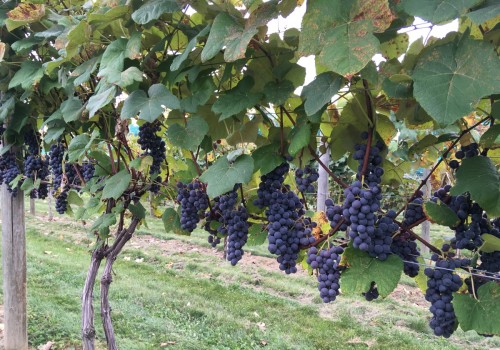
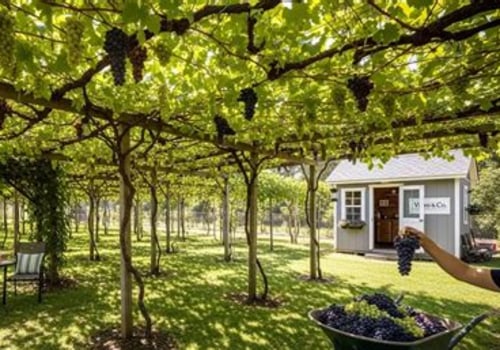
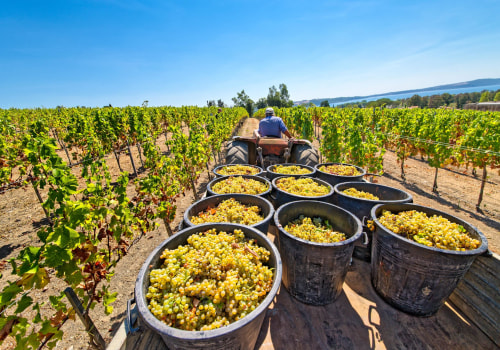
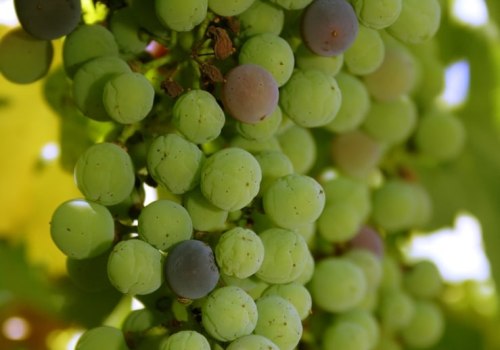
Grape farming is a vital component of the agricultural landscape, contributing significantly to both local economies and global markets. As one of the most widely cultivated fruits, grapes are not only enjoyed fresh but are also essential for producing wine, raisins, and various other products. The importance of grape farming extends beyond mere production; it encompasses a rich cultural heritage and a deep connection to the land. Understanding the intricacies of grape cultivation techniques is crucial for farmers aiming to optimize their yield and maintain the health of their vines. Effective grape cultivation techniques involve a variety of practices, with pruning being one of the most critical.
Pruning helps shape the vine, encourages healthy growth, and ultimately influences the quality and quantity of the grape harvest. By removing excess foliage and old wood, farmers can enhance sunlight exposure and air circulation, which are essential for preventing diseases and promoting fruit development. This introductory exploration into grape farming sets the stage for a deeper dive into specific practices like pruning, which play a pivotal role in ensuring successful grape production. As we delve further into the world of grape farming, it becomes clear that each technique employed by farmers is a reflection of their commitment to sustainability and quality. The art and science of managing grapevines not only require knowledge but also an understanding of environmental factors that affect growth.
With this foundation laid, we can explore how pruning techniques specifically contribute to the overall success of grape farming.
The Basics of Grape Vine Growth
Understanding the growth stages of grape vines is crucial for effective grape farming. Grape vines undergo several distinct phases throughout their lifecycle, each requiring specific care and attention from farmers.Growth Stages of Grape Vines
- Bud Break: This initial stage occurs in early spring when the buds begin to swell and eventually burst open, signaling the start of new growth.
- Leaf Development: Following bud break, leaves emerge, providing essential photosynthesis that fuels the vine's growth.
- Flowering: Typically occurring in late spring, flowering is a critical stage where the vine produces clusters of flowers that will eventually develop into grapes.
- Fruit Set: After pollination, the flowers transform into small green grapes. This stage is vital as it determines the potential yield for the season.
- Veraison: This phase marks the transition from green to ripe grapes, characterized by color change and softening of the fruit.
- Harvest: The final stage occurs in late summer to early fall when grapes reach optimal ripeness and are ready for picking.
Anatomy of Grape Vines
The anatomy of grape vines plays a significant role in their growth and productivity. Key components include:- Roots: These anchor the vine and absorb water and nutrients from the soil.
- Crown: The crown connects the roots to the trunk and is essential for nutrient transport.
- Trunk: The main support structure that carries nutrients and water between roots and leaves.
- Canes: These are one-year-old shoots that bear fruit.
Proper pruning of canes is vital for maintaining vine health and maximizing yield.
- Leaves: They are crucial for photosynthesis, providing energy for growth and fruit development.
Why Pruning is Essential for Grape Vines
Pruning is a fundamental practice in grape farming that significantly impacts the health and productivity of grape vines. By removing dead or overgrown branches, farmers can enhance air circulation and sunlight penetration, which are crucial for the overall vitality of the plants.Importance of Pruning Grape Vines
- Promotes Healthy Growth: Pruning encourages new growth by allowing the vine to focus its energy on fewer, stronger shoots. This results in healthier plants that are more resilient to diseases.
- Improves Fruit Quality: By controlling the number of clusters per vine, farmers can ensure that each grape receives adequate nutrients, leading to better flavor and quality.
- Enhances Yield: Properly pruned vines can produce a higher yield of grapes. This is because pruning helps balance the vine's energy distribution, allowing it to produce fruit more efficiently.
Benefits of Vine Pruning
- Increased Sunlight Exposure: Pruning opens up the canopy, allowing sunlight to reach all parts of the vine.
This is essential for photosynthesis and ultimately contributes to better grape development.
- Reduced Disease Risk: By removing excess foliage and dead wood, farmers can minimize the risk of fungal infections and pests that thrive in dense, shaded environments.
- Better Air Circulation: Improved airflow around the vines helps to dry out moisture that can lead to rot and mildew, further protecting the health of the plants.
Different Pruning Techniques Used by Grape Farmers
Pruning is a critical aspect of grape farming that directly influences the health and productivity of grapevines. Different techniques are employed by grape farmers to ensure optimal growth and fruit quality. Here are some of the most common grape vine pruning techniques:Cane Pruning
Cane pruning involves selecting one or two canes from the previous year's growth to serve as the primary fruiting wood for the upcoming season.This method is particularly effective for varieties that produce fruit on one-year-old wood. Farmers typically cut back the canes to about 6-10 buds, allowing for a balanced yield and promoting better air circulation within the vine.
Spur Pruning
In contrast, spur pruning focuses on leaving short stubs or spurs, each with 1-3 buds, along the main trunk or cordon of the vine. This technique is often used for grape varieties that bear fruit on older wood. Spur pruning can lead to a more manageable vine structure and is less labor-intensive than cane pruning.Other Pruning Methods
- Drop-Cane Pruning: A hybrid of cane and spur pruning, this method allows for some canes to be left longer while others are pruned back to spurs.
- Head Pruning: This technique involves cutting back the vine to a single head, which can be beneficial in certain climates where frost is a concern.
- Renewal Pruning: Used primarily in older vineyards, this method focuses on rejuvenating the vine by removing older wood and encouraging new growth.
Understanding how to prune grape vines effectively not only enhances fruit quality but also contributes to the long-term sustainability of the vineyard.
When to Prune Grape Vines: Timing Matters
Timing is crucial when it comes to pruning grape vines. The best time to prune grape vines largely depends on the climate and the specific variety of grapes being cultivated. Generally, the ideal period for pruning is during the late winter to early spring, just before the buds begin to swell. This timing allows farmers to make necessary cuts while the vines are still dormant, minimizing stress on the plants.In regions with milder winters, pruning can start as early as January, while in colder areas, it may be best to wait until late March or early April.Pruning too early can expose the vines to frost damage, while pruning too late can hinder growth and reduce yield.
Seasonal Pruning Tips
- Late Winter (January - March): Focus on removing dead or diseased wood. This is also the time to shape the vine for optimal sunlight exposure.
- Early Spring (March - April): As buds begin to swell, finalize your pruning. Aim for a balanced structure that promotes airflow and sunlight penetration.
- Post-Bloom (June): Consider a light pruning or thinning of excess shoots to encourage better fruit development.
Understanding these nuances can significantly impact the overall health and productivity of the vineyard.In summary, proper timing for vine pruning not only enhances growth but also maximizes yield. By adhering to seasonal guidelines and adjusting based on local conditions, grape farmers can ensure their vines thrive throughout the growing season.
Tools and Equipment for Pruning Grapes
Pruning grapevines is a critical task that requires the right tools and equipment to ensure optimal growth and fruit production. Here’s a list of essential tools that every grape farmer should consider for effective vine pruning.- Pruning Shears: Also known as hand pruners, these are essential for making clean cuts on small branches. Look for ergonomic designs that reduce hand fatigue during long pruning sessions.
- Loppers: For thicker branches, loppers provide the necessary leverage to cut through wood that is too thick for standard pruning shears.
They come in various sizes, so choose a pair that suits your reach and strength.
- Saws: A small pruning saw is invaluable for larger branches that cannot be handled by shears or loppers. A folding saw can be particularly useful for its portability.
- Gloves: Protecting your hands is crucial when working with vines. Choose durable gloves that offer both protection and dexterity.
- Safety Glasses: When using saws or loppers, safety glasses can protect your eyes from flying debris.
- Pruning Knife: A sharp knife can be useful for making precise cuts and removing unwanted growth. It’s also handy for cleaning up after pruning.
- Measuring Tape: Keeping track of vine growth and spacing is important.
A measuring tape helps ensure that you maintain proper distances between vines.
- Electric Pruners: For larger vineyards, electric pruners can save time and effort, especially when dealing with extensive pruning tasks.
- Vine Training Systems: While not a tool per se, having a good training system in place can make pruning easier and more effective by guiding the growth of the vines.
Common Mistakes to Avoid When Pruning Grapes
Pruning grapevines is a critical aspect of grape farming, but even experienced farmers can make mistakes that hinder vine health and productivity. Here are some common errors to avoid:- Pruning at the Wrong Time: Timing is crucial in grapevine pruning. Pruning too early in the winter can expose vines to harsh weather, while late pruning can lead to excessive growth before the growing season.
Aim to prune during the dormant season, typically late winter or early spring.
- Over-Pruning: While it’s important to remove excess growth, over-pruning can lead to reduced yields and weak vines. Farmers should aim for a balanced approach, removing only what is necessary to promote healthy growth.
- Neglecting to Clean Tools: Using dirty or rusty pruning tools can introduce diseases to the vines. Always sanitize your tools before and after pruning to prevent the spread of pathogens.
- Ignoring Vine Structure: Each grapevine has a unique structure that should be respected during pruning. Failing to consider the natural shape of the vine can lead to poor air circulation and sunlight exposure, which are essential for healthy grapes.
- Not Considering Variety Differences: Different grape varieties have distinct pruning needs.
What works for one type may not be suitable for another. Familiarize yourself with the specific requirements of the varieties you are cultivating.
FAQs About Pruning Grape Vines
Pruning grape vines is a crucial aspect of grape farming that can significantly impact the quality and yield of the grapes. Here are some frequently asked questions about this essential practice:- Why is pruning important for grape vines?
Pruning helps to control the growth of the vine, ensuring that it remains healthy and productive.It allows for better air circulation and sunlight penetration, which are vital for grape development.
- When should grape vines be pruned?
The best time to prune grape vines is during the dormant season, typically in late winter or early spring before new growth begins. This timing helps minimize stress on the plant and encourages robust growth in the growing season. - What tools are needed for pruning?
Essential tools for pruning include sharp pruning shears, loppers for thicker branches, and sometimes a saw for larger cuts. Keeping tools clean and sharp is important to prevent disease transmission. - How much should I prune my grape vines?
The amount of pruning depends on the variety of grape and the training system used. Generally, 30-90% of the previous year's growth may be removed to maintain balance between vegetative growth and fruit production.
For more detailed guidance, consulting local agricultural extensions or viticulture experts can provide tailored advice based on specific conditions.
Conclusion: Mastering the Art of Pruning for Successful Grape Farming
In conclusion, mastering the art of pruning is essential for successful grape farming. The techniques discussed throughout this article highlight the significance of proper vine management to ensure healthy growth and optimal fruit production. By understanding the different pruning methods, such as cane pruning and spur pruning, grape farmers can tailor their approach to suit specific grape varieties and vineyard conditions.Effective pruning not only enhances the quality of the grapes but also contributes to the overall health of the vine. Regularly removing dead or diseased wood helps prevent pest infestations and diseases, ensuring that the vines remain vigorous and productive.Additionally, maintaining an appropriate balance between foliage and fruit is crucial; too much foliage can lead to poor air circulation and increased humidity, while too little can expose grapes to sunburn.
- Timing: Pruning should be done at the right time, typically during the dormant season, to minimize stress on the vines.
- Technique: Employing the correct technique is vital; improper cuts can lead to damage and hinder growth.
- Observation: Regularly observing vine health post-pruning allows farmers to make necessary adjustments in future seasons.