Grape farming is a vital component of the agricultural landscape, contributing significantly to both local economies and global markets. As one of the oldest cultivated crops, grapes have been grown for thousands of years, primarily for wine production, but also for table consumption and dried fruit. The art of grape cultivation involves a deep understanding of various factors such as climate, soil type, and vine management techniques, all of which play a crucial role in determining the quality and yield of the harvest. In recent years, the demand for high-quality grapes has surged, prompting farmers to adopt innovative grape growing techniques. These methods not only enhance productivity but also ensure sustainability in grape farming practices.
From traditional hand-picking to modern mechanical harvesting, each technique has its own set of advantages and challenges. Understanding these methods is essential for anyone interested in the intricacies of grape farming and its impact on the agricultural sector. As we delve deeper into the world of grape farming, we will explore various harvesting methods that are employed by farmers to maximize their yield while maintaining the quality of their grapes. This exploration will provide insights into how these practices have evolved over time and their significance in today’s competitive market.
The Importance of Harvest Timing
Timing is crucial in grape farming, as it directly influences the quality and flavor profile of the wine produced. Understanding when to harvest grapes involves assessing several key factors, including sugar levels, acidity, and color changes.Sugar Levels
The sugar content in grapes is a primary indicator of ripeness.As grapes mature, their sugar levels increase, which is essential for fermentation. Winemakers often use a refractometer to measure the brix level, which indicates the sugar concentration. Generally, a brix level of 22-25 is ideal for most wine varieties, but this can vary depending on the desired style of wine.
Acidity
Alongside sugar, acidity plays a vital role in determining the right harvest time. Grapes should have balanced acidity to ensure the wine has freshness and longevity.As grapes ripen, acidity levels decrease. A common practice is to taste the grapes; they should have a pleasant tartness without being overly sour.
Color Changes
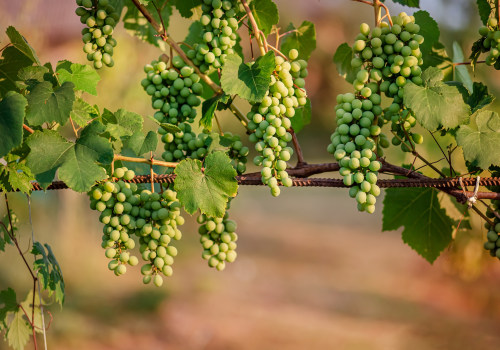
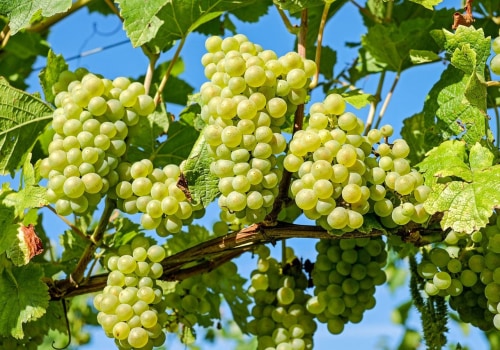
The visual appearance of grapes also signals their readiness for harvest. For red varieties, look for a deepening color and a slight translucence in the skin. White grapes should exhibit a golden hue rather than green.These color changes indicate that the grapes are developing their full flavor potential.
Other Indicators
- Seed Color: Ripe seeds turn from green to brown.
- Skin Texture: The skin should feel slightly soft but not mushy.
- Taste Test: Ultimately, tasting the grapes can provide the best indication of ripeness.
Manual Harvesting Techniques
Manual grape harvesting, often referred to as hand-picking grapes, is a traditional method that has been employed by grape farmers for centuries. This technique involves skilled laborers carefully selecting and picking grapes from the vine, ensuring that only the best fruit is harvested. While it may be more labor-intensive than mechanical methods, the benefits of manual harvesting are significant.Benefits of Manual Harvesting
- Quality Control: Hand-picking allows workers to assess the ripeness and quality of each grape, ensuring that only the finest fruit makes it to the winery.
This attention to detail can greatly enhance the overall quality of the wine produced.
- Minimized Damage: Manual harvesting reduces the risk of damaging the grapes and vines. Mechanical harvesters can bruise or crush grapes, leading to undesirable flavors in the wine.
- Selective Picking: Workers can choose specific clusters based on their ripeness, which is crucial for producing high-quality wines. This selectivity is particularly important for premium wine production.
- Environmental Considerations: Manual harvesting is often more sustainable, as it can be done with minimal impact on the surrounding ecosystem compared to heavy machinery.
- Timing: Harvesting should occur at the optimal time when grapes have reached their peak ripeness, which varies by variety and climate conditions.
- Training Workers: Providing training for workers on how to properly pick grapes can enhance efficiency and reduce damage to both the fruit and vines.
- Use of Proper Tools: Equip workers with appropriate tools such as clippers or scissors designed for grape harvesting to facilitate a smooth process.
- Regular Breaks: Encourage regular breaks for workers to maintain their energy levels and focus, which can lead to better quality control during the harvest.
Mechanical Harvesting Methods
Mechanical harvesting has revolutionized grape farming, allowing vineyard owners to efficiently gather grapes while minimizing labor costs. This method employs specialized machinery designed to quickly and effectively harvest grapes, making it particularly advantageous for large-scale operations.Types of Mechanical Harvesters
- Vibrating Harvesters: These machines use vibrations to shake grapes from the vines, collecting them in a bin below.
This method is effective for many grape varieties and can operate at high speeds.
- Straddle Harvesters: Designed to straddle the vine rows, these harvesters can pick grapes from both sides simultaneously. They are equipped with conveyor belts that transport the grapes directly into containers.
- Self-Propelled Harvesters: These are versatile machines that can navigate various terrains and are often equipped with advanced technology for precision harvesting.
- Increased Efficiency: Mechanical harvesters can cover large areas in a fraction of the time it would take manual laborers, significantly speeding up the harvest process.
- Cost-Effectiveness: While the initial investment in machinery can be high, the reduction in labor costs and increased productivity often lead to greater profitability over time.
- Consistency: Mechanical harvesting provides a uniform approach to grape collection, reducing the risk of damage and ensuring that grapes are harvested at optimal ripeness.
Innovations in Grape Harvesting Technology
In recent years, the grape farming industry has witnessed a surge in innovations in grape harvesting technology, significantly enhancing efficiency and productivity. These advancements not only streamline the harvesting process but also ensure better quality control and sustainability.One of the most notable innovations is the use of automated harvesting machines.These machines are equipped with advanced sensors and algorithms that allow them to identify ripe grapes with precision. By utilizing machine learning, these systems can adapt to different vineyard conditions, optimizing the timing and method of harvest.Additionally, drones have emerged as a game-changer in grape farming. They provide aerial imagery that helps farmers assess vineyard health, monitor grape ripeness, and even predict yields. This data-driven approach enables farmers to make informed decisions about when to harvest, ultimately improving the quality of the grapes.Another exciting development is the integration of smart technology into traditional harvesting methods.
For instance, some vineyards are now using wearable devices for workers that track their movements and productivity. This information can help optimize labor allocation and ensure that the most skilled workers are assigned to critical tasks during peak harvest times.The future of grape farming looks promising with these technological advancements. As the industry continues to embrace innovation, we can expect further improvements in sustainability practices, such as reduced water usage and minimized chemical applications. These changes not only benefit the environment but also enhance the overall quality of wine produced.In conclusion, the integration of cutting-edge technology in grape harvesting is transforming the landscape of grape farming.
By adopting these innovations, farmers can improve efficiency, ensure higher quality produce, and contribute to a more sustainable agricultural future.
Best Practices for Post-Harvest Handling
After the grapes are harvested, post-harvest handling becomes crucial to ensure that the quality of the fruit is preserved. Proper techniques can significantly reduce spoilage and maintain the grapes' flavor, texture, and nutritional value.1.Immediate Cooling
- One of the first steps in grape storage is to cool the grapes as quickly as possible. This can be achieved through methods such as hydrocooling or forced-air cooling.
- Cooling helps to slow down respiration and decay processes, extending the shelf life of the grapes.
2.Sorting and Grading
- Before storage, it is essential to sort and grade the grapes. Remove any damaged or overripe fruit to prevent them from affecting the quality of the healthy grapes.
- This practice not only enhances the overall quality but also ensures that only the best grapes are sent to market.
3.Appropriate Packaging
- Using breathable packaging materials can help maintain optimal humidity levels while preventing moisture buildup, which can lead to mold growth.
- Consider using clamshell containers or perforated bags that allow for air circulation.
4.Controlled Atmosphere Storage
- Storing grapes in a controlled atmosphere can significantly enhance their longevity.
This involves adjusting oxygen, carbon dioxide, and humidity levels in storage facilities.
- A low-oxygen environment can slow down ripening and decay, keeping grapes fresh for longer periods.
5.Regular Monitoring
- Regularly check stored grapes for signs of spoilage or disease. Early detection allows for quick action to prevent further loss.
- This includes monitoring temperature and humidity levels in storage areas to ensure they remain within optimal ranges.
Frequently Asked Questions about Grape Harvesting
Grape harvesting is a crucial phase in grape farming, and many farmers have questions about the best practices and methods to ensure a successful yield. Here are some frequently asked questions regarding grape harvesting:What are the common methods of grape harvesting?
- Hand Harvesting: This traditional method involves picking grapes by hand, allowing for careful selection and minimal damage to the fruit. It is often preferred for high-quality wines.
- Mechanical Harvesting: This method uses machines to shake the vines and collect grapes.
It is faster and more efficient, making it suitable for larger vineyards.
- Selective Harvesting: Farmers may choose to harvest only certain grapes at peak ripeness, which can enhance the quality of the final product.
When is the best time to harvest grapes?
The timing of grape harvest is critical. Grapes should be harvested when they reach optimal ripeness, which can vary based on the variety and climate. Farmers often check sugar levels, acidity, and flavor to determine the right time.What are some tips for a successful grape harvest?
- Monitor Weather Conditions: Weather can significantly impact grape quality. Aim to harvest during dry conditions to prevent rot.
- Use Proper Tools: Ensure you have sharp shears or clippers for hand harvesting to make clean cuts and reduce damage.
- Organize Your Team: If harvesting by hand, organize your team efficiently to cover more ground and maintain quality control.
Conclusion: Key Takeaways on Grape Harvesting Methods
In conclusion, the methods used for harvesting grapes play a crucial role in the overall success of grape farming.Each technique, whether it be hand harvesting or mechanical harvesting, has its own set of advantages and challenges that can significantly impact the quality of the grapes and the efficiency of the harvest.
Key Takeaways:
- Hand Harvesting: This traditional method is often preferred for high-quality wines as it allows for selective picking, ensuring only the best grapes are chosen. It requires skilled labor and can be time-consuming but often results in superior fruit quality.
- Mechanical Harvesting: This method is more efficient and cost-effective, especially for large vineyards. While it can speed up the process, it may lead to a higher percentage of damaged grapes and less selective picking.
- Timing: Regardless of the method chosen, timing is critical. Grapes must be harvested at their peak ripeness to ensure optimal flavor and sugar content, which directly affects the quality of the wine produced.
- Climate and Terrain: The local climate and vineyard terrain can influence the choice of harvesting method.
For instance, steep slopes may make mechanical harvesting impractical, necessitating hand picking.