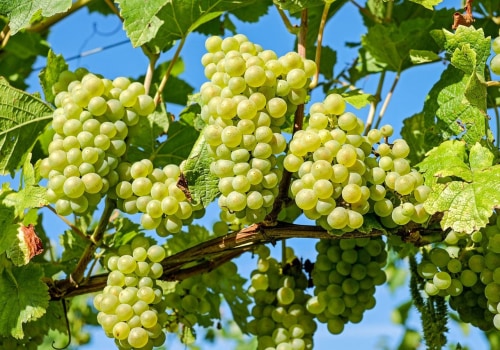
Grape farming is a meticulous art that combines the science of agriculture with the passion for producing one of the world’s most beloved fruits. As vineyards flourish under the sun, the health of grapevines is paramount to achieving high-quality yields. This is where fertilization plays a crucial role. The right fertilizers not only enhance soil fertility but also provide essential nutrients that support robust vine growth and optimal fruit development. In grape farming, understanding the specific nutritional needs of vines is essential.
Grapes require a balanced supply of nitrogen, phosphorus, potassium, and micronutrients to thrive. Each of these elements contributes uniquely to the plant's health; for instance, nitrogen promotes vigorous growth, while phosphorus is vital for root development and flowering. Without adequate fertilization, grapevines may struggle to produce healthy clusters, leading to lower yields and compromised fruit quality. Moreover, the timing and method of applying fertilizers can significantly impact the effectiveness of nutrient uptake. Farmers must consider factors such as soil type, climate conditions, and vine age when planning their fertilization strategy.
By doing so, they can ensure that their grapevines receive the right nutrients at the right time, ultimately leading to a bountiful harvest.
Understanding Soil Nutrients for Grapes
Understanding the nutrient requirements of grapevines is crucial for successful grape farming. Grapevines require a balanced supply of essential nutrients to thrive, which can be categorized into macronutrients and micronutrients.Macronutrients
- Nitrogen (N): This nutrient is vital for the growth of leaves and stems. It plays a significant role in photosynthesis and overall vine vigor. A deficiency in nitrogen can lead to stunted growth and poor fruit development.
- Phosphorus (P): Essential for root development and energy transfer within the plant, phosphorus is crucial during the early stages of growth.
It helps in the formation of flowers and fruits, making it indispensable for grape production.
- Potassium (K): This nutrient aids in water regulation and enzyme activation. Potassium enhances fruit quality, improves disease resistance, and contributes to the overall health of the vine.
Micronutrients
While required in smaller quantities, micronutrients are equally important for grapevine health. Key micronutrients include:- Iron (Fe): Essential for chlorophyll synthesis, iron deficiency can lead to yellowing leaves, known as chlorosis.
- Zinc (Zn): Important for enzyme function and growth regulation, zinc deficiency can affect shoot development and fruit set.
- Manganese (Mn): This nutrient plays a role in photosynthesis and is necessary for the formation of chloroplasts.
Types of Fertilizers Used in Grape Farming
In grape farming, the choice of fertilizer plays a crucial role in determining the health and productivity of the vines.Farmers often choose between organic and synthetic fertilizers, each offering distinct advantages and disadvantages.
Organic Fertilizers
Organic fertilizers are derived from natural sources and include materials such as compost, manure, and bone meal. These fertilizers improve soil structure, enhance microbial activity, and provide a slow release of nutrients. Some common organic options for grape farming include:- Compost: Rich in nutrients, compost improves soil fertility and moisture retention.
- Fish Emulsion: A liquid fertilizer that provides a quick nutrient boost, particularly nitrogen.
- Bone Meal: High in phosphorus, it promotes root development and flowering.
Synthetic Fertilizers
Synthetic fertilizers are chemically manufactured and designed to deliver specific nutrients quickly. They often contain higher concentrations of essential elements like nitrogen, phosphorus, and potassium (N-P-K).Common synthetic fertilizers used in grape farming include:
- Urea: A high-nitrogen fertilizer that promotes vigorous vine growth.
- Monoammonium Phosphate (MAP): Provides both nitrogen and phosphorus, supporting early growth stages.
- Potassium Nitrate: Supplies potassium for fruit quality and disease resistance.
Organic Fertilizers for Grape Farming
In the realm of grape farming, the use of organic fertilizers has gained significant traction among growers seeking to enhance soil health and promote sustainable practices. Organic fertilizers not only provide essential nutrients but also improve the overall ecosystem of the vineyard.Compost
is one of the most popular organic fertilizers used in grape farming.
It is created from decomposed organic matter, such as plant residues and kitchen scraps. When applied to the soil, compost enriches it with vital nutrients, enhances moisture retention, and encourages beneficial microbial activity. This results in healthier vines that can better withstand pests and diseases.
Manure
, particularly from cows or chickens, is another effective organic fertilizer. It is rich in nitrogen, phosphorus, and potassium—key nutrients that support vine growth and fruit development.
However, it is crucial to use well-composted manure to avoid introducing pathogens or weed seeds into the vineyard.
Bone meal
is an excellent source of phosphorus, which is essential for root development and flowering in grapevines. This organic fertilizer helps promote strong root systems, leading to improved nutrient uptake and overall plant vigor.The benefits of organic fertilization extend beyond just nutrient supply. By using organic fertilizers, grape farmers can:
- Enhance soil structure: Organic matter improves soil aeration and drainage.
- Increase biodiversity: Healthy soils support a diverse range of microorganisms that contribute to plant health.
- Reduce chemical runoff: Organic practices minimize the risk of harmful chemicals leaching into waterways.
- Support sustainable practices: Organic fertilizers align with eco-friendly farming methods that prioritize environmental health.
Synthetic Fertilizers in Grape Cultivation
In the realm of grape farming, synthetic fertilizers play a crucial role in enhancing vine growth and fruit quality.These fertilizers are formulated to provide essential nutrients that grapes require for optimal development, particularly nitrogen, phosphorus, and potassium.
Nitrogen
is vital for vegetative growth, promoting lush foliage and robust vine structure. It is often supplied in the form of urea or ammonium nitrate. However, excessive nitrogen can lead to overly vigorous growth, which may result in reduced fruit quality and increased susceptibility to diseases.
Phosphorus
is essential for root development and energy transfer within the plant. It is commonly applied as monoammonium phosphate (MAP) or diammonium phosphate (DAP).
Adequate phosphorus levels can enhance flowering and fruit set, leading to a more abundant harvest.
Potassium
contributes to overall plant health and fruit quality, influencing sugar accumulation and flavor profile. Potassium sulfate is a popular choice among grape farmers, as it not only provides potassium but also sulfur, which is beneficial for grapevine health.While synthetic fertilizers can significantly boost grape production, their use comes with potential environmental impacts. Over-application can lead to nutrient runoff into nearby water bodies, causing eutrophication, which depletes oxygen levels and harms aquatic life. Additionally, the reliance on chemical fertilizers may disrupt soil microbiomes, affecting long-term soil health.To mitigate these risks, grape farmers are encouraged to adopt a balanced approach by integrating organic amendments and practicing soil testing.
This ensures that nutrient applications are tailored to the specific needs of the vineyard while minimizing environmental harm.
Application Methods for Grape Fertilizers
Applying fertilizers effectively is crucial for the health and productivity of grapevines. There are several methods to consider, each with its own advantages and best practices.- Broadcasting: This method involves spreading fertilizer evenly over the soil surface. It is best done before planting or during the early growth stages of the grapevines. To ensure even distribution, use a hand-held spreader or a tractor-mounted spreader.
However, care must be taken to avoid applying too close to the vine base to prevent root burn.
- Banding: Banding is a more targeted approach where fertilizers are applied in narrow bands near the root zone of the grapevines. This method minimizes nutrient loss and enhances uptake by the plants. Typically, bands should be placed 4 to 6 inches away from the vine and about 2 to 4 inches deep. This technique is particularly effective for delivering nutrients during critical growth phases.
- Fertigation: Fertigation combines fertilization with irrigation, allowing for precise nutrient delivery directly to the root zone through the irrigation system.
This method is highly efficient as it reduces nutrient leaching and ensures that plants receive a consistent supply of nutrients. It is essential to monitor water quality and adjust fertilizer concentrations accordingly to avoid over-fertilization.
Common Mistakes in Fertilizing Grapes
When it comes to grape farming, proper fertilization is crucial for achieving healthy vines and optimal fruit production. However, many grape farmers make common mistakes that can hinder their success.Understanding these pitfalls can help you avoid them and ensure your vines thrive.
Over-Fertilizing Grapes
One of the most prevalent mistakes in grape fertilization is over-fertilizing. While it may seem beneficial to provide your vines with extra nutrients, excessive fertilizer can lead to:- Root Burn: High concentrations of nitrogen and other nutrients can damage the roots, leading to poor vine health.
- Excessive Foliage Growth: Over-fertilization often results in lush foliage at the expense of fruit production, as the plant focuses on leaf growth rather than grape development.
- Pest and Disease Vulnerability: Vines that are over-fertilized may become more susceptible to pests and diseases due to weakened overall health.
Ignoring Soil Testing
Another common mistake is neglecting soil testing before applying fertilizers. Without understanding the nutrient composition of your soil, you risk:- Imbalanced Nutrient Levels: Applying fertilizers without testing can lead to nutrient imbalances, which can adversely affect vine growth and grape quality.
- Wasted Resources: Unnecessary application of fertilizers not only wastes money but also contributes to environmental pollution.
Timing of Fertilization
The timing of fertilizer application is equally important. Fertilizing too early or too late in the growing season can disrupt vine development.For instance:
- Early Application: Applying fertilizers before the vines have emerged from dormancy can lead to nutrient leaching and reduced effectiveness.
- Late Application: Fertilizing too late may not give the vines enough time to absorb the nutrients before harvest, impacting fruit quality.
FAQs About Fertilizers in Grape Farming
Grape farming involves various practices, and understanding the role of fertilizers is crucial for successful cultivation. Here are some frequently asked questions regarding fertilizers in grape farming:What types of fertilizers are best for grapevines?
Grapevines benefit from a balanced approach to fertilization. Common types of fertilizers include:- Organic fertilizers: These include compost, manure, and bone meal, which improve soil structure and provide essential nutrients.
- Inorganic fertilizers: Synthetic options like ammonium nitrate and potassium sulfate can deliver quick nutrient boosts but should be used judiciously to avoid soil degradation.
- Slow-release fertilizers: These provide a steady supply of nutrients over time, reducing the frequency of application.
How often should I fertilize my grapevines?
The frequency of fertilization depends on soil health and vine growth stage.Generally, it is recommended to:
- Conduct a soil test to determine nutrient levels.
- Apply fertilizers in early spring as vines begin to grow.
- Consider a second application in mid-summer if necessary, especially for high-yielding varieties.
Can I use too much fertilizer on my grapevines?
Yes, over-fertilization can lead to nutrient burn, which damages the roots and foliage. It can also result in excessive vegetative growth at the expense of fruit quality. Always follow recommended application rates based on soil tests.What signs indicate that my grapevines need fertilization?
Look for these signs that may indicate a need for fertilization:- Poor growth or stunted vines
- Pale or yellowing leaves
- Low fruit yield or poor fruit quality
Conclusion: Best Practices for Fertilizing Grapes
In conclusion, proper fertilization is a cornerstone of successful grape farming. Understanding the specific nutrient needs of grapevines and applying the right fertilizers at the appropriate times can significantly enhance both yield and quality.Here are some best practices to consider:
- Soil Testing: Regular soil tests are essential to determine nutrient levels and pH balance. This information helps in selecting the right fertilizers and avoiding over-application.
- Balanced Nutrient Application: Utilize a combination of macronutrients (nitrogen, phosphorus, potassium) and micronutrients (iron, manganese, zinc) to ensure comprehensive nutrition for your vines.
- Timing: Apply fertilizers during critical growth stages, such as early spring before bud break and during fruit set, to maximize uptake and effectiveness.
- Organic Options: Consider using organic fertilizers like compost or well-rotted manure. These not only provide nutrients but also improve soil structure and microbial activity.
- Water Management: Ensure adequate irrigation when applying fertilizers. Water helps dissolve nutrients and facilitates their absorption by the roots.
Remember that each vineyard is unique; therefore, continuous monitoring and adjustment of fertilization practices are crucial for long-term success in grape farming.