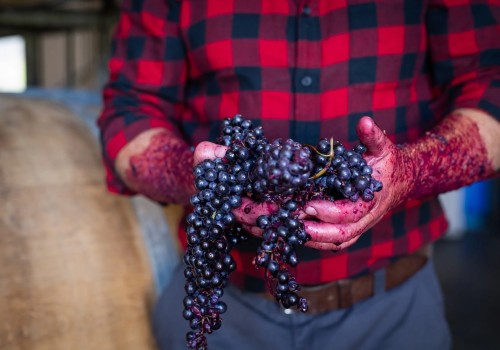
Grape harvesting is a critical phase in grape farming, marking the culmination of months of careful cultivation and attention. The timing of the harvest is essential, as it directly influences the quality and flavor profile of the grapes. Farmers must assess various factors, including sugar levels, acidity, and overall grape health, to determine the optimal moment for picking. This process, often referred to as grape picking, requires not only skill but also a deep understanding of the vineyard's unique characteristics. Once harvested, the journey of the grapes is far from over.
The post-harvest processes play a vital role in maintaining the integrity and quality of the fruit. Proper storage methods are crucial to prevent spoilage and preserve the flavors that have been carefully developed throughout the growing season. Without effective storage solutions, even the finest grapes can quickly deteriorate, leading to significant losses for farmers and impacting the quality of wines produced. Understanding how grapes are stored after harvest is essential for anyone involved in grape farming. It not only affects the immediate marketability of the grapes but also has long-term implications for winemaking and consumer satisfaction.
As we delve deeper into this topic, we will explore various storage techniques and their importance in ensuring that grapes retain their desirable qualities from vineyard to table.
The Importance of Proper Storage
Proper storage of grapes after harvest is crucial for maintaining their quality and extending their shelf life. Grapes are highly perishable fruits, and inadequate storage can lead to spoilage, which not only affects the fruit itself but also impacts marketability and consumer satisfaction.One of the primary reasons for emphasizing grape storage is to prevent spoilage. Grapes are susceptible to various forms of decay, including mold and rot, which can occur if they are not stored under optimal conditions. The ideal storage environment for grapes includes:- Cool temperatures: Grapes should be stored at temperatures between 30°F to 32°F (-1°C to 0°C) to slow down the ripening process and inhibit microbial growth.
- High humidity: Maintaining a humidity level of around 90% helps prevent dehydration and shriveling of the grapes.
- Ventilation: Proper airflow is essential to reduce moisture buildup and prevent the development of mold.
Fresh, high-quality grapes are more appealing to consumers, leading to higher sales and better prices for farmers. Grapes that are stored correctly retain their flavor, texture, and nutritional value, making them more desirable in the marketplace.Furthermore, effective post-harvest handling and storage practices contribute significantly to consumer satisfaction. When consumers purchase grapes that are fresh and flavorful, they are more likely to return for future purchases. This not only builds brand loyalty but also encourages positive word-of-mouth marketing, which is invaluable in the competitive landscape of grape farming.In summary, the importance of proper grape storage cannot be overstated.
By implementing effective storage techniques, grape farmers can minimize spoilage, enhance marketability, and ensure consumer satisfaction, ultimately leading to a more successful harvest season.
Ideal Conditions for Storing Grapes
Storing grapes after harvest requires careful attention to environmental conditions to ensure their longevity and quality. The ideal storage environment is characterized by specific temperature, humidity, and light exposure levels.Temperature:
Grapes thrive in cool conditions. The optimal storage temperature for grapes is between 30°F and 32°F (-1°C to 0°C). At this temperature range, the metabolic processes of the grapes slow down, which helps in preserving their freshness.
Temperatures above this range can lead to accelerated ripening and spoilage, while temperatures below freezing can cause damage to the fruit.
Humidity:
Maintaining the right humidity level is crucial for grape storage. An ideal relative humidity of around 90% to 95% helps prevent dehydration and shriveling of the grapes. If the humidity is too low, grapes can lose moisture quickly, leading to a decline in quality. Conversely, excessive humidity can promote mold growth and decay.
Light Exposure:
Grapes are sensitive to light, which can lead to premature ripening and spoilage.
It is essential to store grapes in a dark environment or use opaque containers that block out light. This helps maintain their flavor and texture over time.In summary, the key factors for optimal grape storage include:
- Temperature: 30°F to 32°F (-1°C to 0°C)
- Humidity: 90% to 95%
- Light Exposure: Minimal or no light
Methods of Storing Grapes After Harvest
After the harvest, proper storage of grapes is crucial to maintain their quality and extend their shelf life. Various methods are employed in the industry to ensure that grapes remain fresh and appealing to consumers.Cold Storage
One of the most common methods for storing grapes is cold storage. This technique involves keeping grapes at low temperatures, typically between 30°F and 32°F (-1°C to 0°C).Cold storage slows down the ripening process and reduces the risk of spoilage. It is essential to monitor humidity levels as well, ideally maintaining them around 90-95% to prevent dehydration.
Controlled Atmosphere Storage
Controlled atmosphere storage takes cold storage a step further by regulating not just temperature but also the composition of gases in the storage environment. By reducing oxygen levels and increasing carbon dioxide, this method can significantly slow down the respiration rate of grapes, thereby prolonging their freshness. This technique is particularly beneficial for long-term storage and transportation.Packaging Techniques
The way grapes are packaged also plays a vital role in their preservation.Common packaging techniques include:
- Clamshell containers: These are popular for retail as they provide protection while allowing visibility of the product.
- Ventilated bags: These bags allow for air circulation, which helps reduce moisture buildup and prevents mold growth.
- Modified atmosphere packaging (MAP): This involves altering the atmosphere inside the packaging to enhance shelf life by controlling gas concentrations.
Common Challenges in Grape Storage
Storing grapes after harvest presents several challenges that can significantly impact their quality and marketability. Understanding these challenges is crucial for grape farmers aiming to maintain the integrity of their produce.Spoilage Issues
One of the primary concerns in grape storage is spoilage. Grapes are highly perishable, and improper storage conditions can lead to rapid deterioration.Factors such as temperature, humidity, and exposure to light play a critical role in the longevity of stored grapes. Ideally, grapes should be stored at temperatures between 30°F and 32°F with high humidity levels to prevent dehydration. Failure to maintain these conditions can result in:
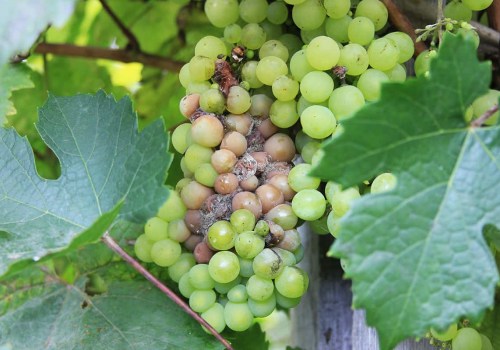
- Mold growth: Excess moisture can lead to fungal infections, which not only spoil the grapes but can also spread to other stored produce.
- Softening and shriveling: Inadequate humidity can cause grapes to lose moisture, leading to undesirable texture changes.
- Fermentation: If grapes are stored at too high a temperature, they may begin to ferment, resulting in off-flavors and spoilage.
Pest Management in Storage
Pests pose another significant challenge during grape storage. Insects such as fruit flies and mealybugs can infest stored grapes, leading to further spoilage and loss of quality.Effective pest management strategies are essential for protecting stored grapes:
- Regular inspections: Conducting frequent checks on stored grapes can help identify pest issues early before they escalate.
- Sanitation practices: Keeping storage areas clean and free from debris can reduce the likelihood of pest infestations.
- Use of traps: Employing sticky traps or pheromone traps can help monitor and control pest populations effectively.
Innovations in Grape Storage Technology
In recent years, the field of grape storage technology has witnessed significant advancements that not only enhance the preservation of grapes post-harvest but also improve overall efficiency in grape farming. These innovations are crucial for maintaining the quality and extending the shelf life of grapes, which are highly perishable fruits.One of the most notable advancements is the implementation of smart storage solutions. These systems utilize Internet of Things (IoT) technology to monitor and control storage conditions in real-time.Sensors can track temperature, humidity, and ethylene levels, ensuring that grapes are stored in optimal conditions. This not only helps in reducing spoilage but also allows farmers to make data-driven decisions regarding their harvest.Additionally, advancements in packaging technology have played a vital role in grape storage. Modified atmosphere packaging (MAP) is one such innovation that alters the composition of gases surrounding the grapes. By reducing oxygen levels and increasing carbon dioxide, MAP slows down the ripening process and minimizes decay, thereby preserving the fruit's freshness for a longer period.Another exciting development is the use of controlled atmosphere storage (CAS).
This method involves storing grapes in a sealed environment where temperature and gas concentrations are carefully regulated. CAS has been shown to significantly extend the storage life of grapes while maintaining their flavor and nutritional value.Furthermore, advancements in refrigeration technology have led to more energy-efficient cooling systems that reduce operational costs for grape farmers. These systems not only provide better temperature control but also contribute to sustainability efforts by minimizing energy consumption.In conclusion, the integration of innovative technologies in grape storage is transforming how farmers manage their post-harvest processes. By adopting these smart solutions, grape farmers can ensure higher quality produce reaches consumers while also optimizing their operations for better profitability.
Best Practices for Grape Farmers
Effective post-harvest management is crucial for grape farmers aiming to maintain the quality and marketability of their produce.Here are some best practices to consider:
- Timely Harvesting: Grapes should be harvested at their peak ripeness. Delaying harvest can lead to overripening, while early harvesting may result in underdeveloped flavors.
- Gentle Handling: Minimize bruising and damage during the harvesting process. Use clippers instead of pulling grapes from the vine, and ensure that containers are not overloaded.
- Immediate Cooling: After harvest, grapes should be cooled as quickly as possible. This can be achieved through hydrocooling or forced-air cooling methods, which help to reduce the temperature and slow down respiration.
- Optimal Storage Conditions: Store grapes in a cool, dark place with high humidity (around 90-95%).
Ideal temperatures range from 30°F to 32°F (-1°C to 0°C).
- Avoid Ethylene Exposure: Grapes are sensitive to ethylene gas, which can accelerate ripening. Keep them away from ethylene-producing fruits like apples and bananas.
- Regular Inspection: Check stored grapes regularly for signs of spoilage or mold. Remove any affected clusters immediately to prevent the spread of decay.
FAQs About Grape Storage After Harvest
When it comes to grape storage after harvest, many growers and consumers have questions about the best practices to ensure freshness and quality. Here are some frequently asked questions:How should grapes be stored after harvest?
Grapes should be stored in a cool, dry place.Ideally, they should be kept at temperatures between 30°F and 32°F (-1°C to 0°C) with high humidity levels. This helps to maintain their crispness and prevent dehydration.
Can I store grapes in the refrigerator?
Yes, storing grapes in the refrigerator is one of the best methods for preserving their freshness. Place them in a perforated plastic bag or a container that allows for air circulation to prevent moisture buildup.How long can grapes be stored?
When stored properly, grapes can last up to two weeks in the refrigerator. However, for optimal taste and texture, it’s best to consume them within a week of harvest.What are some tips for preserving grapes?
- Do not wash grapes until you are ready to eat them, as excess moisture can lead to mold growth.
- Remove damaged or spoiled grapes from the bunch to prevent them from affecting the others.
- Consider freezing grapes if you have an excess supply.
They can be frozen for later use in smoothies or as a refreshing snack.
Are there any signs that grapes have gone bad?
Yes, look for signs such as soft spots, wrinkling, or mold. If the grapes smell sour or fermented, it’s best to discard them.By following these guidelines and tips, you can ensure that your harvested grapes remain fresh and delicious for as long as possible.Conclusion: Key Takeaways on Grape Storage Practices
In conclusion, the storage practices employed after grape harvest play a crucial role in determining the overall quality and marketability of the fruit. Proper storage not only preserves the freshness of grapes but also extends their shelf life, allowing farmers to maximize their profits.Here are the key takeaways regarding effective grape storage:- Temperature Control: Maintaining an optimal temperature is essential. Grapes should ideally be stored at temperatures between 30°F and 32°F (-1°C to 0°C) to slow down ripening and decay.
- Humidity Levels: High humidity levels (around 90-95%) are necessary to prevent dehydration.
This can be achieved through proper ventilation and moisture management in storage facilities.
- Handling Techniques: Gentle handling during the harvesting and storage process minimizes bruising and damage, which can lead to quicker spoilage.
- Use of Packaging: Utilizing breathable packaging materials helps maintain air circulation while protecting grapes from physical damage.
- Regular Monitoring: Frequent checks for signs of spoilage or disease can help in taking timely action, ensuring that only the best quality grapes reach the market.