Grape farming is a vital component of the agricultural landscape, intertwining tradition, science, and art. As one of the oldest cultivated crops, grapes have been grown for thousands of years, not only for their delicious fruit but also for their role in producing wine, raisins, and other products. Understanding the nuances of grape cultivation is essential for anyone looking to embark on this rewarding journey. From selecting the right variety to mastering the soil conditions, each step plays a crucial role in ensuring a successful harvest.The significance of grape growing basics extends beyond mere cultivation; it encompasses a deep appreciation for the land and climate that support these vines.
Grapes thrive in specific conditions, requiring careful attention to factors such as sunlight, temperature, and soil type. This intricate relationship between the vine and its environment not only affects the quality of the grapes but also influences the overall health of the vineyard. As we delve deeper into the process of planting grape vines, it becomes clear that each decision made during this phase can have lasting impacts on yield and flavor.Moreover, grape farming is not just about planting; it’s about creating a sustainable ecosystem that nurtures growth while respecting nature. With increasing interest in organic and sustainable practices, modern grape farmers are exploring innovative techniques that enhance productivity while minimizing environmental impact.
This evolving landscape makes understanding the fundamentals of grape farming more important than ever for aspiring growers.
Choosing the Right Grape Variety
When it comes to grape farming, selecting the right grape variety is crucial for a successful harvest. Different grape types have unique characteristics that can significantly impact the quality of your yield, making it essential to choose wisely based on your local climate and soil conditions.Best Grape Varieties for Farming
- Cabernet Sauvignon: Known for its robust flavor and aging potential, this variety thrives in warmer climates with well-drained soils.
- Chardonnay: A versatile white grape that adapts well to various climates, making it a popular choice among farmers.
- Merlot: This grape is favored for its smooth texture and fruity flavors, suitable for cooler regions.
- Sauvignon Blanc: Ideal for cooler climates, this variety produces crisp and aromatic wines.
- Zinfandel: Thrives in warm areas and is known for its rich, jammy flavors.
Selecting Grape Vines Based on Climate and Soil
Understanding your local environment is key to selecting the right grape vines. Here are some factors to consider:
- Climate: Different grape varieties have specific temperature requirements. For instance, warm-climate grapes like Syrah require more sunlight, while cooler varieties like Pino Noir prefer shaded areas.
- Soil Type: The soil's drainage capacity and nutrient content play a significant role in vine health.
Sandy soils are excellent for drainage, while clay soils retain moisture.
- Pest Resistance: Some grape varieties are more resistant to pests and diseases. Researching these traits can save you time and resources in the long run.
Preparing the Soil for Planting
Preparing the soil is a crucial step in grape farming, as it directly impacts the health and productivity of your grapevines. The quality of the soil determines how well the vines will grow, how much water they can retain, and how effectively they can absorb nutrients.Soil Testing
Before planting, it is essential to conduct a soil test.
This process involves collecting soil samples from various locations in your vineyard and sending them to a laboratory for analysis. The test will provide valuable information about the soil's pH level, nutrient content, and organic matter percentage. Ideally, grapevines thrive in slightly acidic soils with a pH between 6.0 and 6.8.
Interpreting Soil Test Results
- pH Level: If your soil is too acidic or alkaline, you may need to adjust it using lime or sulfur.
- Nutrient Levels: The test will indicate levels of essential nutrients such as nitrogen, phosphorus, and potassium. Deficiencies can be corrected with appropriate fertilizers.
- Organic Matter: A higher percentage of organic matter improves soil structure and moisture retention.
Soil Amendments
Based on the results of your soil test, you may need to make several soil amendments.
Here are some common amendments used in grape farming:
- Lime: Used to raise pH levels if the soil is too acidic.
- Sulfur: Helps lower pH levels in alkaline soils.
- Compost: Enhances organic matter content and provides a slow release of nutrients.
- Fertilizers: Specific fertilizers can be added to address nutrient deficiencies identified in the soil test.
Planting Techniques for Grape Vines
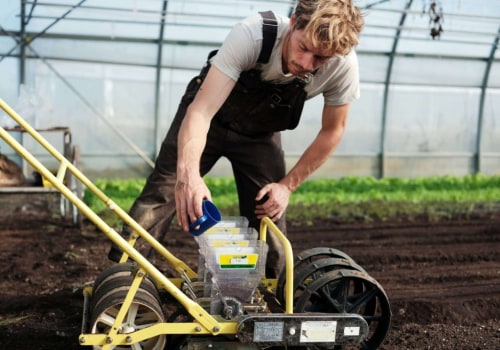
Planting grape vines is a crucial step in grape farming that can significantly influence the health and productivity of your vineyard. Here’s a detailed guide on how to effectively plant grape vines.Step-by-Step Process
- Selecting the Right Time: The best time to plant grape vines is in early spring after the last frost. This allows the roots to establish before the heat of summer.
- Choosing the Right Location: Grapes thrive in well-drained soil with plenty of sunlight.
Ensure your planting site receives at least 6-8 hours of direct sunlight daily.
- Preparing the Soil: Test your soil pH; grapes prefer a pH between 5.5 and 7.0. Amend the soil with organic matter to improve drainage and fertility.
- Digging the Holes: Dig holes that are about 2 feet wide and 1 foot deep. This depth allows for adequate root growth while ensuring that the graft union (if applicable) is above ground.
- Planting Depth: When placing the vine in the hole, ensure that the roots are spread out and that the base of the plant is at soil level. Cover with soil, but avoid burying the graft union, as this can lead to disease.
- Watering: After planting, water thoroughly to eliminate air pockets around the roots.
Keep the soil consistently moist but not waterlogged during the first growing season.
Spacing Between Plants
Proper spacing is essential for healthy growth and airflow. Generally, grape vines should be spaced:- 6 to 8 feet apart for standard varieties
- 4 to 6 feet apart for compact or dwarf varieties
Watering and Irrigation Practices
Watering is a critical aspect of grape farming, as it directly influences the health and productivity of grape vines. Understanding the watering needs of grape vines is essential for successful cultivation.Grape vines require consistent moisture, especially during their growing season. The amount of water needed can vary based on factors such as soil type, climate, and vine age.Generally, grape vines need about 1 to 2 inches of water per week, either from rainfall or irrigation. However, it’s important to monitor the soil moisture levels to avoid overwatering, which can lead to root rot and other diseases.
Irrigation Systems for Grapes
There are several irrigation systems that grape farmers can implement to ensure their vines receive adequate water:- Drip Irrigation: This method delivers water directly to the root zone through a network of tubes and emitters. It is highly efficient and minimizes water waste.
- Sprinkler Systems: These systems distribute water over the vineyard in a manner similar to natural rainfall. They can be effective but may lead to increased disease pressure if not managed properly.
- Surface Irrigation: This traditional method involves flooding the vineyard with water.
While it can be effective in certain conditions, it is less efficient and can lead to uneven moisture distribution.
Fertilization and Nutrient Management
Proper fertilization and nutrient management are crucial for the successful cultivation of grape vines.Grapes require a balanced supply of nutrients to thrive, and understanding their specific needs can significantly enhance both yield and quality.
Nutrient Needs for Grapes
- Nitrogen: Essential for vegetative growth, nitrogen promotes healthy leaf development. However, excessive nitrogen can lead to lush foliage at the expense of fruit quality.
- Phosphorus: Important for root development and flowering, phosphorus helps in the formation of fruit clusters.
- Potassium: This nutrient is vital for overall plant health, influencing water regulation and fruit ripening.
- Trace elements such as magnesium, calcium, and sulfur are also necessary in smaller amounts to support various physiological functions.
Fertilizing Grape Vines
The timing and method of fertilization can greatly impact grape production. It is generally recommended to apply fertilizers in early spring before the growing season begins. Soil tests can help determine the specific nutrient needs of your vineyard, allowing for tailored fertilization strategies.
Organic Fertilizers for Grapes
For those interested in sustainable practices, organic fertilizers can be an excellent choice.
Options include:
- Compost: Rich in nutrients and beneficial microorganisms, compost improves soil structure and fertility.
- Bone meal: A great source of phosphorus, bone meal supports root growth and flowering.
- Fish emulsion: This liquid fertilizer provides a quick nutrient boost, particularly nitrogen.
- Kelp meal: Offers trace minerals and enhances plant resilience against stress.
Pest and Disease Management in Grape Farming
Effective pest and disease management is crucial for successful grape farming. Grapevines are susceptible to a variety of pests and diseases that can significantly impact yield and quality. Understanding these threats and implementing appropriate management strategies is essential for maintaining healthy vines.Common Grape Pests
- Grape Phylloxera: This tiny insect feeds on the roots of grapevines, leading to stunted growth and reduced yields.
Resistant rootstocks are often used to combat this pest.
- Spider Mites: These pests thrive in hot, dry conditions and can cause leaf discoloration and webbing. Regular monitoring and introducing natural predators like ladybugs can help control their population.
- Leafhoppers: These insects suck sap from the leaves, causing yellowing and reduced vigor. Insecticidal soaps or neem oil can be effective organic treatments.
Disease Control in Grapes
Several diseases can affect grapevines, including:- Powdery Mildew: This fungal disease appears as a white powdery substance on leaves and grapes. Preventative measures include proper spacing for air circulation and applying sulfur-based fungicides.
- Downy Mildew: Another fungal threat, downy mildew thrives in humid conditions.
Regularly inspecting vines and using copper-based fungicides can help manage this disease.
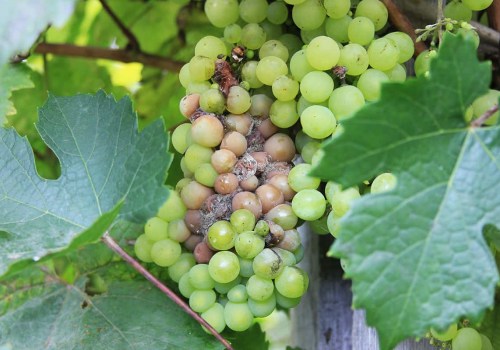
- Botrytis Bunch Rot: This disease affects grapes during harvest, leading to rot. Ensuring good airflow around clusters and harvesting promptly can minimize its impact.
Organic Pest Management for Grapes
For those interested in sustainable practices, organic pest management is a viable option. Strategies include:- Cultural Practices: Implementing crop rotation, maintaining healthy soil, and selecting disease-resistant varieties can reduce pest pressure.
- Biological Control: Introducing beneficial insects such as lacewings or parasitic wasps can naturally keep pest populations in check.
- Natural Pesticides: Utilizing products like diatomaceous earth or insecticidal soap can effectively manage pests without harming the environment.
Pruning Techniques for Healthy Growth
Pruning is a critical aspect of grape farming that significantly influences the health and productivity of grape vines. Proper pruning techniques not only enhance the quality of the grapes but also promote vigorous growth and prevent disease.When to Prune Grapes
The timing of pruning is essential for optimal vine health.Generally, grape vines should be pruned during their dormant season, which typically occurs in late winter to early spring, before new growth begins. This timing allows the vine to heal from cuts before the sap starts flowing, minimizing stress on the plant.
Pruning Methods for Grapes
There are several effective pruning methods that grape farmers can employ:- Cane Pruning: This method involves selecting one or two canes from the previous year’s growth to serve as the main fruiting wood for the upcoming season. The remaining canes are removed to encourage better air circulation and sunlight exposure.
- Sustainability Pruning: This technique focuses on maintaining a balance between fruit production and vine health. It involves removing older wood while retaining younger canes that will produce fruit in future seasons.
- Head Training: In this method, the vine is pruned back to a single trunk with several arms extending outward.
This structure allows for easier management and harvesting while promoting even sunlight distribution.
Harvesting Grapes: Timing and Techniques
Determining the right time to harvest grapes is crucial for achieving optimal flavor and quality. The timing of the harvest can vary based on the grape variety, climate, and desired wine style.Generally, grapes are ready for harvest when they reach their peak ripeness, which can be assessed through several indicators.
When to Harvest Grapes
The best time to harvest grapes is typically in late summer to early fall, depending on the region and grape variety. Here are some key signs that indicate grapes are ripe:- Color Change: Grapes will change color as they ripen. For example, red varieties will shift from green to a deep red or purple.
- Taste Test: Sampling a few grapes is one of the most reliable methods. Ripe grapes should taste sweet and flavorful.
- Seed Color: The seeds inside ripe grapes turn brown.
If they are still green, the grapes may need more time on the vine.
- Texture: Ripe grapes should feel plump and firm but yield slightly to pressure.
Harvesting Techniques for Grapes
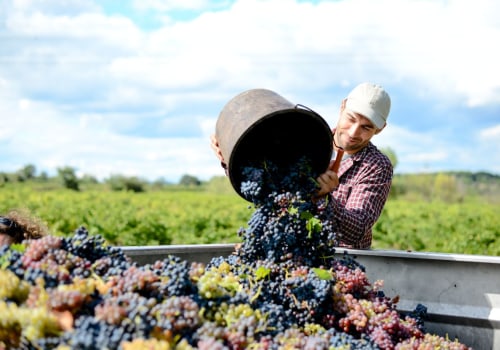
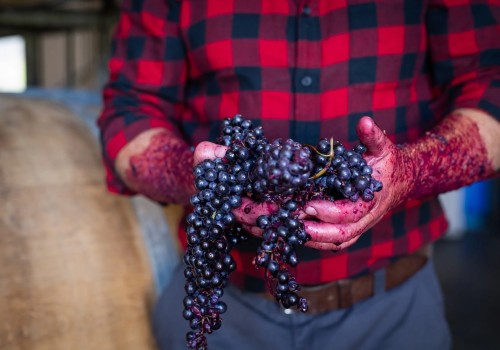
Once you've determined that your grapes are ripe, it's essential to use proper harvesting techniques to minimize damage and ensure quality:- Hand Harvesting: This method is often preferred for high-quality wines. It allows for careful selection of the best clusters and reduces damage to the fruit.
- Using Shears: When hand harvesting, use sharp shears to cut the grape clusters cleanly from the vine, avoiding tearing or crushing the fruit.
- Baskets or Containers: Collect grapes in shallow containers to prevent bruising. Avoid overfilling baskets, as this can lead to crushing during transport.
- Avoiding Wet Conditions: Harvesting during dry weather helps prevent mold and rot. Wet grapes can be more susceptible to damage and spoilage.
Conclusion: Key Takeaways on Planting Grape Vines
In conclusion, the process of planting grape vines is a multifaceted endeavor that requires careful planning and execution.Successful grape farming hinges on understanding the specific needs of grapevines, from soil preparation to post-planting care. Here are the key takeaways to remember:
- Site Selection: Choose a location with well-draining soil and adequate sunlight, as these factors are crucial for healthy vine growth.
- Soil Preparation: Conduct soil tests to determine pH and nutrient levels, and amend the soil accordingly to create an optimal growing environment.
- Choosing the Right Varieties: Select grape varieties that are well-suited to your climate and intended use, whether for wine production or table grapes.
- Proper Planting Techniques: Follow best practices for planting, including spacing between vines and ensuring proper depth to promote strong root development.
- Irrigation and Maintenance: Implement a consistent watering schedule and monitor for pests and diseases to maintain vine health throughout the growing season.