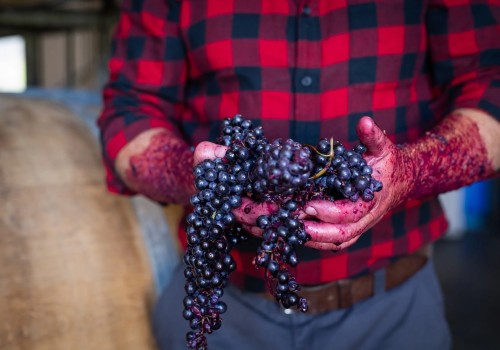
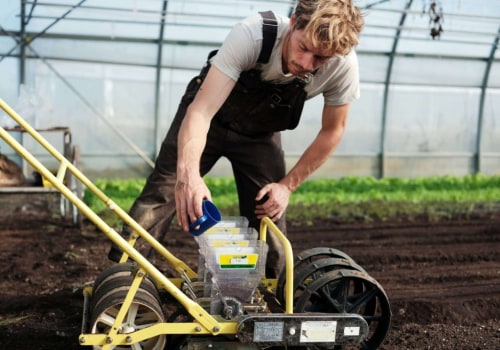
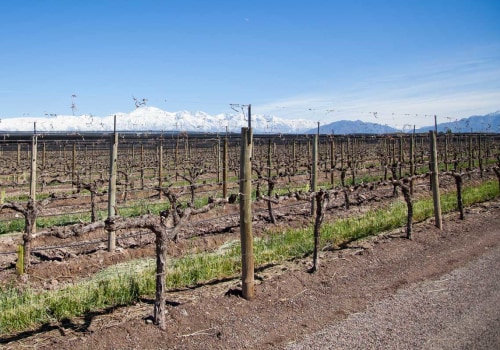
Grape farming in the United States is not just an agricultural practice; it is a vital component of the country’s rich and diverse wine industry. With a climate that varies from coast to coast, the U.S. offers a unique tapestry of growing conditions that allow for a wide range of grape varieties to flourish. From the sun-drenched vineyards of California to the cooler climates of the Pacific Northwest, each region contributes its own distinct flavors and characteristics to the wines produced.The significance of grape farming extends beyond mere cultivation; it encompasses a deep-rooted tradition that has evolved over centuries.
As consumers become more discerning about their wine choices, understanding the origins of these grapes has never been more important. Wine enthusiasts are increasingly interested in the stories behind their favorite bottles, which often leads them back to the specific regions where the grapes are grown. This connection between wine regions and grape farming not only enhances the appreciation of wine but also supports local economies and sustainable practices.As we delve deeper into this topic, we will explore some of the most popular wine regions in the U.S. known for their exceptional grape farming.
Each area boasts its own unique climate, soil composition, and winemaking traditions, making them essential stops for anyone interested in understanding the complexities of American wines. Whether you are a seasoned sommelier or a casual wine drinker, recognizing these regions will enrich your experience and knowledge of U.S. grape farming.
California: The Heart of American Wine Production
California stands as the epicenter of grape farming in the United States, renowned for its diverse wine regions that produce some of the finest wines in the world. The state's unique climate, varied topography, and rich soil contribute to its status as a premier destination for viticulture.Among California's most celebrated wine regions are Napa Valley and Sonoma County, each offering distinct characteristics that cater to a wide range of grape varieties.Napa Valley
Napa Valley is perhaps the most famous wine region in California, known for its high-quality Cabernet Sauvignon and Chardonnay.The valley's Mediterranean climate, with warm days and cool nights, allows grapes to ripen perfectly while retaining their acidity. This balance is crucial for producing wines that are both flavorful and complex.
- Key Varieties: Cabernet Sauvignon, Merlot, Chardonnay, Pinot Noir
- Notable Wineries: Robert Mondavi Winery, Opus One, Beringer Vineyards
Sonoma County
Just a short drive from Napa, Sonoma County offers a more laid-back atmosphere with an equally impressive array of wines. The region is known for its Diverse Microclimates, which allow for a variety of grape farming practices. From the cooler coastal areas that favor Pinot Noir to the warmer inland regions ideal for Zinfandel, Sonoma showcases the versatility of California's terroir.- Key Varieties: Pinot Noir, Zinfandel, Chardonnay, Sauvignon Blanc
- Notable Wineries: Kendall-Jackson, Chateau St.
Jean, Sonoma-Cutrer
Oregon: The Rising Star of Pinot Noir
Oregon has emerged as a premier wine region in the United States, particularly renowned for its exceptional Pinot Noir.The state's unique climate and diverse terroir create ideal conditions for grape farming, making it a favorite among wine enthusiasts and connoisseurs alike.The Willamette Valley, located in northwestern Oregon, is the heart of the state's wine production. This region is characterized by its rolling hills, volcanic soils, and a temperate climate that allows for a long growing season. These factors contribute to the development of complex flavors in the grapes, particularly Pinot Noir, which thrives in this environment.
Sustainable Grape Farming Practices
Oregon's wine industry is also notable for its commitment to sustainable farming practices. Many vineyards in the Willamette Valley employ organic and biodynamic methods, focusing on environmental stewardship and biodiversity.This approach not only enhances the quality of the grapes but also promotes a healthier ecosystem.
- Organic Farming: Many wineries avoid synthetic pesticides and fertilizers, opting instead for natural alternatives that protect both the vines and the surrounding environment.
- Biodynamic Practices: Some vineyards follow biodynamic principles, treating the vineyard as a self-sustaining ecosystem and using lunar cycles to guide planting and harvesting.
- Water Conservation: Efficient irrigation techniques are employed to minimize water usage while ensuring that the vines receive adequate moisture.
Washington: Diverse Terroirs and Varietals
Washington State is renowned for its grape farming, particularly in the Columbia Valley, which is the largest wine-producing region in the state. This area benefits from a unique combination of climate, soil, and topography that allows for a diverse range of grape varietals to thrive.The Columbia Valley stretches across several counties and features a variety of microclimates, making it ideal for cultivating both red and white wines.The region's warm days and cool nights create perfect conditions for grapes to develop their full flavor potential. Some of the most popular varietals grown here include:
- Cabernet Sauvignon: Known for its bold flavors and aging potential, this varietal flourishes in the warm climate of the valley.
- Merlot: Often blended with Cabernet Sauvignon, Merlot from Columbia Valley is celebrated for its smooth texture and rich fruit flavors.
- Chardonnay: This versatile white grape adapts well to the region's conditions, producing wines that range from crisp and fruity to rich and buttery.
- Sauvignon Blanc: Known for its zesty acidity and aromatic profile, this grape thrives in the cooler areas of the valley.
New York: The Finger Lakes and Beyond
New York is home to some of the most renowned wine regions in the United States, with the Finger Lakes standing out as a premier destination for grape farming.This region is characterized by its unique topography and cool climate, which create ideal conditions for growing a variety of grape types, particularly Riesling, Chardonnay, and Cabernet Franc.The Finger Lakes region boasts over 100 wineries, many of which have adopted innovative grape farming techniques to enhance the quality of their wines. The lakes themselves play a crucial role in moderating temperatures, allowing grapes to ripen slowly and develop complex flavors. This microclimate is essential for producing high-quality wines that have gained national and international acclaim.
Innovative Practices in Grape Farming
Winemakers in New York are not just relying on traditional methods; they are also embracing modern practices to improve their yields and wine quality. Some notable techniques include:- Sustainable farming: Many vineyards are adopting organic and biodynamic practices to promote soil health and biodiversity.
- Precision viticulture: Utilizing technology such as drones and soil sensors to monitor vineyard conditions and optimize grape growing.
- Canopy management: Techniques that enhance sunlight exposure and air circulation around grape clusters, improving ripeness and reducing disease risk.
Each area offers its own unique terroir and grape varieties, contributing to the state's diverse wine portfolio. The Hudson Valley is known for its historic vineyards and artisanal winemaking, while Long Island has gained recognition for its Bordeaux-style blends.In conclusion, New York's commitment to grape farming, combined with its diverse climates and innovative practices, positions it as a key player in the American wine industry. Whether you are a seasoned wine enthusiast or a casual drinker, exploring New York's wine regions promises a delightful experience filled with rich flavors and stunning landscapes.
Texas: The Emerging Wine Frontier
Texas is rapidly establishing itself as a significant player in the U.S. wine industry, particularly through its grape farming efforts in the Texas Hill Country.This region, known for its stunning landscapes and diverse climate, offers unique conditions that are ideal for cultivating a variety of grape types.The Texas Hill Country is the second-largest American Viticultural Area (AVA) in the United States, encompassing over 9 million acres. The region's grape farming potential is enhanced by its rolling hills, limestone soils, and a climate that allows for a long growing season. These factors contribute to the production of high-quality wines that are gaining recognition both nationally and internationally.
Key Grape Varieties
- Tempranillo: This Spanish varietal thrives in the Texas climate, producing rich and full-bodied wines.
- Viognier: Known for its aromatic qualities, Viognier from Texas often exhibits floral notes and stone fruit flavors.
- Sangiovese: This Italian grape adapts well to the Texas terroir, resulting in wines with bright acidity and cherry flavors.
Wine trails and tasting rooms have become popular destinations, allowing visitors to experience the beauty of the landscape while sampling local wines. This synergy between grape farming and tourism is vital for the region's economy and helps promote Texas wines on a larger scale.As more vineyards continue to emerge in this area, Texas is poised to become a key player in the global wine market. With its unique growing conditions and commitment to quality, the Texas Hill Country is undoubtedly an exciting frontier for grape farming.
Virginia: A Blend of Tradition and Innovation
Virginia has long been recognized as a significant player in the world of grape farming, with a history that dates back to the early 1600s. The state's diverse climate and rich soil provide an ideal environment for cultivating a variety of grape species, making it a prime location for winemaking.One of the most notable regions in Virginia is the Monticello AVA (American Viticultural Area), named after Thomas Jefferson's estate.Jefferson, an early advocate for American wine, believed that Virginia could produce wines that rivaled those of Europe. Today, Monticello AVA is home to over 30 wineries, each contributing to the region's reputation for quality and innovation.
Grape Varieties and Innovations
The Monticello AVA is particularly known for its grape farming practices that emphasize both traditional methods and modern techniques. Winemakers in this region cultivate a range of grape varieties, including:- Viognier: A white grape that has gained popularity for its aromatic qualities.
- Cabernet Franc: Known for its versatility and ability to thrive in Virginia's climate.
- Tannat: A lesser-known variety that is making waves for its bold flavors.
A Rich Tapestry of History and Culture
The history of grape farming in Virginia is deeply intertwined with the state's cultural heritage. Many wineries offer tours that not only showcase their vineyards but also educate visitors about the historical significance of winemaking in Virginia.This blend of tradition and innovation attracts wine enthusiasts from all over the country, eager to experience the unique flavors that Virginia has to offer.As Virginia continues to grow as a wine destination, its commitment to quality grape farming and innovative winemaking practices ensures that it will remain a key player in the American wine industry for years to come.
Sustainability in Grape Farming Across Regions
Sustainability in grape farming has become a crucial focus for vineyards across the United States, as winemakers increasingly recognize the importance of eco-friendly practices. By adopting sustainable methods, vineyards not only enhance the quality of their grapes but also contribute positively to the environment.Regions such as Napa Valley and Sonoma County in California have pioneered sustainable grape farming techniques. Many vineyards in these areas have transitioned to organic farming, eliminating synthetic pesticides and fertilizers. This shift not only improves soil health but also promotes biodiversity, allowing beneficial insects and microorganisms to thrive.Key Sustainable Practices in Grape Farming:
- Cover Cropping: Planting cover crops between vineyard rows helps prevent soil erosion, enhances soil fertility, and reduces water runoff.
- Water Conservation: Implementing drip irrigation systems minimizes water usage while ensuring that vines receive adequate moisture.
- Integrated Pest Management (IPM): This approach combines biological control, habitat manipulation, and resistant grape varieties to manage pests sustainably.
- Renewable Energy: Many vineyards are investing in solar panels and wind turbines to power their operations, reducing their carbon footprint.
Here, many wineries are certified organic or biodynamic, focusing on holistic farming practices that respect the ecosystem. These methods not only yield high-quality grapes but also resonate with environmentally conscious consumers.As the demand for sustainable wines grows, more regions are adopting these eco-friendly practices. The future of winemaking hinges on the ability of grape farmers to balance productivity with environmental stewardship, ensuring that vineyards can thrive for generations to come.
FAQs About Grape Farming in Popular U.S. Wine Regions
Grape farming is a fascinating aspect of the wine industry, especially in the United States where several regions are renowned for their unique grape varieties and cultivation techniques.Here are some frequently asked questions about grape farming in popular U.S. wine regions:
What are the top wine regions in the U.S. for grape farming?
- Napa Valley, California: Known for its premium Cabernet Sauvignon and Chardonnay, Napa Valley is a leader in innovative grape farming practices.
- Sonoma County, California: This region offers a diverse range of climates and soils, making it ideal for growing Pinot Noir and Zinfandel.
- Willamette Valley, Oregon: Famous for its exceptional Pinot Noir, Willamette Valley is recognized for its sustainable grape farming methods.
- Texas Hill Country: As one of the fastest-growing wine regions, Texas Hill Country is known for Tempranillo and Viognier.
What grape varieties are commonly grown in these regions?
Each wine region has its own specialties:- Napa Valley: Cabernet Sauvignon, Merlot, and Sauvignon Blanc.
- Sonoma County: Chardonnay, Pinot Noir, and Zinfandel.
- Willamette Valley: Primarily Pinot Noir, along with Pinot Gris and Riesling.
- Texas Hill Country: Tempranillo, Mourvèdre, and Chenin Blanc.
How does climate affect grape farming?
The climate plays a crucial role in grape farming. Regions with warm days and cool nights tend to produce grapes with balanced acidity and sugar levels.For instance:
- Napa Valley: The Mediterranean climate allows for full ripening of grapes.
- Willamette Valley: The cooler climate helps maintain acidity in wines, particularly beneficial for Pinot Noir.
Conclusion: The Future of Grape Farming in America’s Wine Regions
As we look towards the future of grape farming in America’s renowned wine regions, it is clear that innovation and sustainability will play pivotal roles. The challenges posed by climate change, evolving consumer preferences, and technological advancements are shaping the landscape of viticulture across the country.Embracing Sustainable Practices
Many vineyards are increasingly adopting sustainable farming practices to ensure the longevity of their crops and the health of the environment. Techniques such as cover cropping, integrated pest management, and organic farming are becoming more prevalent.These methods not only enhance soil health but also improve grape quality, which is essential for producing premium wines.
Technological Innovations
The integration of technology in grape farming is revolutionizing how vineyards operate. Precision agriculture tools, such as drones and soil sensors, allow farmers to monitor vineyard conditions in real-time. This data-driven approach enables more efficient water usage, targeted pest control, and optimized harvest timing, ultimately leading to better yields and higher quality grapes.Consumer Trends and Market Adaptation
As consumers become more discerning about their wine choices, there is a growing demand for unique varietals and sustainable practices. Wine regions are responding by diversifying their grape offerings and focusing on lesser-known varieties that can thrive in specific microclimates.This adaptability not only caters to changing tastes but also helps mitigate risks associated with climate variability.In conclusion, the future of grape farming in America’s wine regions looks promising. By embracing sustainability, leveraging technology, and adapting to market trends, these regions are well-positioned to thrive in an ever-evolving industry. As we continue to explore the rich tapestry of American wines, it is evident that the commitment to quality and innovation will define the next chapter in grape farming.