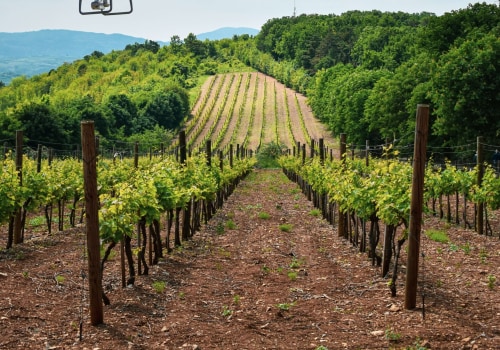
The art of grape farming is intricately linked to the age-old tradition of wine making. For centuries, cultures around the world have cultivated grapes not just for their sweetness but for their potential to transform into exquisite wines. This relationship between the land and the vine is foundational, as the quality of grapes directly influences the character and flavor profile of the wine produced. Understanding this connection is essential for anyone interested in the nuances of traditional wine production methods. In traditional wine making, every step—from planting and nurturing the vines to harvesting and fermentation—plays a crucial role in determining the final product.
Farmers often rely on time-honored techniques that have been passed down through generations, emphasizing the importance of terroir, or the unique environmental factors that affect grape growth. This includes soil composition, climate, and even local winemaking traditions that shape how grapes are cultivated and processed. As we delve deeper into the world of wine production methods, it becomes clear that each region boasts its own unique practices influenced by local customs and available resources. From hand-picking grapes at dawn to using traditional fermentation vessels, these methods not only preserve the integrity of the grapes but also enhance the overall quality of the wine. By exploring these traditional approaches, we can gain a greater appreciation for both grape farming and the rich tapestry of flavors that emerge from this ancient craft.
The Importance of Grape Varieties in Wine Production
The selection of grape varieties is a critical factor in traditional wine production, as it directly influences the flavor profile, aroma, and overall quality of the wine.Different grape types possess unique characteristics that can significantly affect the final product. For instance, Cabernet Sauvignon is known for its bold flavors and tannins, making it ideal for full-bodied red wines, while Chardonnay offers a range of styles from crisp and fruity to rich and buttery.When considering wine types, it’s essential to understand how grape varieties contribute to the diversity of wines available. Here are some key points to consider:
- Terroir Influence: The environment where grapes are grown, including soil type, climate, and topography, interacts with the grape variety to produce distinct flavors. For example, Pinot Noir thrives in cooler climates, resulting in lighter wines with complex aromas.
- Flavor Profiles: Each grape variety has its own flavor profile.
For instance, Merlot is often described as soft and fruity, while Syrah can be spicy and robust. Understanding these profiles helps winemakers choose the right grapes for their desired wine style.
- Aging Potential: Some grape varieties are better suited for aging than others. Cabernet Sauvignon and Nebbiolo are known for their aging potential, developing more complex flavors over time.
This meticulous selection process ensures that only the highest quality grapes are used, ultimately leading to superior wines.Moreover, blending different grape varieties can enhance the complexity of a wine. Many renowned wines are blends that combine the strengths of various grapes to create a harmonious balance of flavors. For example, Bordeaux wines typically blend Cabernet Sauvignon, Merlot, and Cabernet Franc to achieve depth and richness.In conclusion, understanding the importance of grape varieties in wine production is essential for both winemakers and enthusiasts alike. The right selection not only influences the taste but also reflects the heritage and tradition of winemaking in different regions.
Traditional Grape Harvesting Techniques
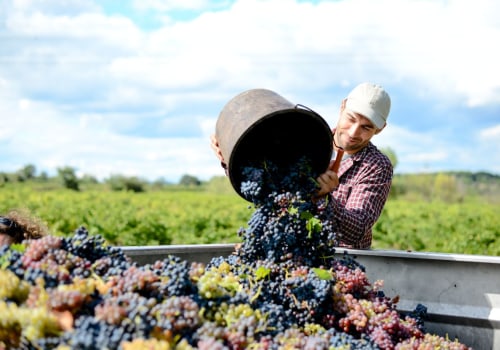
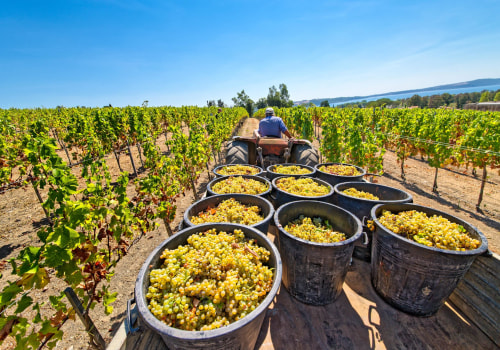
Harvesting grapes is a critical phase in grape farming, as it directly influences the quality of the wine produced.Traditional methods of grape harvesting have been passed down through generations, with hand-picking being one of the most revered techniques.
Hand-Picking Grapes
Hand-picking involves skilled laborers carefully selecting grapes from the vine. This method allows for greater attention to detail, ensuring that only the ripest and healthiest grapes are harvested. The advantages of hand-picking include:- Quality Control: Workers can assess each grape's condition, removing any that are damaged or unripe.
- Minimized Damage: Hand-picking reduces the risk of bruising and crushing grapes, preserving their integrity for fermentation.
- Selective Harvesting: Different grape varieties can be harvested at their peak ripeness, enhancing the overall flavor profile of the wine.
Machine Harvesting
While hand-picking remains popular, many vineyards have adopted machine harvesting for its efficiency. Machines can harvest large quantities of grapes quickly, making them ideal for larger operations.However, this method has its drawbacks:
- Potential for Damage: Machines can cause bruising and may not differentiate between ripe and unripe grapes.
- Less Selectivity: The speed of machine harvesting often leads to a mix of grape qualities being collected.
The Importance of Timing
The timing of the grape harvest is equally crucial. Grapes must be picked at the right moment to ensure optimal sugar levels and acidity, which are essential for producing high-quality wine. Factors influencing the timing include:- Weather Conditions: A warm, dry climate can accelerate ripening, while rain can dilute flavors.
- Grape Variety: Different varieties have unique ripening schedules that must be monitored closely.
- Tasting Tests: Winemakers often conduct taste tests to determine the perfect harvest time based on flavor development.
Crushing and Pressing: The First Steps in Wine Making
Crushing and pressing are pivotal steps in the wine making process, particularly when it comes to extracting the juice from grapes.Traditional methods of grape crushing have evolved over centuries, yet many winemakers still adhere to time-honored techniques that enhance the character of the wine.
Grape Crushing Methods
The initial stage of wine production involves crushing the grapes to release their juice. Historically, this was done by foot, a method known as foot treading, where individuals would stomp on the grapes in large vats. This technique not only crushed the grapes but also allowed for a gentle extraction of flavors and aromas, which are crucial for the wine's profile.Today, while mechanized crushers are common, some winemakers still prefer traditional methods for specific varietals. For instance, using a grape destemmer followed by a gentle crush can help maintain the integrity of the fruit and minimize harsh tannins.Pressing Grapes for Wine
Once crushed, the next step is pressing.This process separates the juice from the skins, seeds, and stems. Traditional pressing techniques often involve using a basket press, which applies even pressure to extract juice without over-extracting bitter compounds from the skins. The basket press allows for a more controlled extraction, resulting in a cleaner and more refined juice.Another traditional method is the use of a bladder press, which employs an inflatable bladder to gently press the grapes. This method is particularly favored for its ability to produce high-quality juice while minimizing oxidation and preserving delicate flavors.The choice of crushing and pressing methods significantly impacts the final product.
By utilizing traditional techniques, winemakers can enhance the complexity and depth of their wines, ensuring that each bottle reflects not only the terroir but also the artistry involved in grape farming.
Fermentation: The Heart of Wine Making
The fermentation process is a crucial step in traditional wine making, transforming freshly crushed grape juice into the beloved beverage. This process begins once the grapes are harvested and crushed, releasing their juice, which contains natural sugars. The key player in this transformation is yeast, a microorganism that consumes the sugars and converts them into alcohol and carbon dioxide.In traditional methods, winemakers often rely on wild yeast present on the grape skins or in the winery environment. This approach, known as spontaneous fermentation, allows for a unique expression of the terroir, as the specific strains of yeast can vary significantly from one region to another.Unlike modern practices that often utilize cultured yeast for consistency, spontaneous fermentation can lead to more complex flavors and aromas.
The Fermentation Process
- Crushing: The first step involves crushing the grapes to release their juice.
- Primary Fermentation: Yeast is introduced (or naturally present) to the juice, initiating fermentation. This stage typically lasts from several days to weeks.
- Malo-lactic Fermentation: In many red wines, a secondary fermentation occurs where malic acid is converted to lactic acid, softening the wine's taste.
- Aging: After fermentation, wine is often aged in barrels or tanks, allowing flavors to develop further.
By embracing traditional methods, winemakers can create wines that tell a story of their origin and craftsmanship.
Aging and Maturation: Developing Wine's Character
The aging process of wine is a critical phase that significantly influences its flavor, aroma, and overall quality. Traditionally, winemakers have relied on various methods to age their wines, each imparting unique characteristics to the final product.One of the most common traditional techniques involves the use of oak barrels. These barrels not only allow for gradual oxygen exposure but also contribute distinct flavors such as vanilla, spice, and toastiness. The type of oak—American or French—can further affect the wine's profile.For instance, American oak tends to impart stronger flavors compared to the more subtle influence of French oak.In contrast, some winemakers opt for stainless steel tanks during the aging process. This method is particularly popular for white wines and certain light reds, as it preserves the wine's fresh fruit characteristics without adding any additional flavors. While stainless steel aging can enhance the wine's crispness and acidity, it lacks the complexity that oak aging provides.Another traditional method is aging in clay amphorae, which has seen a resurgence in recent years. This ancient technique allows for a unique interaction between the wine and the clay, resulting in a distinct minerality and texture that cannot be achieved with modern materials.Ultimately, the choice between barrels and tanks—or even amphorae—depends on the desired outcome of the wine.
Each method offers its own set of advantages and challenges, making it essential for winemakers to carefully consider their options during the grape farming process. By understanding how different aging techniques affect flavor development, winemakers can craft wines that truly reflect their vision and terroir.
Bottling and Storage: Preserving Quality
Once the fermentation process is complete, the next crucial steps in grape farming involve the bottling and storage of wine. These final stages are essential for preserving the quality and integrity of the wine, ensuring that it reaches consumers in optimal condition.The Wine Bottling Process
The wine bottling process typically begins with the careful selection of bottles. Traditional methods often favor glass bottles, which provide an airtight seal and protect the wine from external elements.Before bottling, it is vital to ensure that both the bottles and corks are sanitized to prevent contamination.
- Filling: The wine is transferred into bottles using a filling machine that minimizes exposure to air, which can lead to oxidation.
- Corking: After filling, bottles are sealed with corks or screw caps. Traditional corking methods involve using natural corks, which allow for a small amount of oxygen exchange, beneficial for aging.
- Labeling: Each bottle is then labeled with important information such as the vintage, grape variety, and producer details.
Storage Conditions for Wine
Proper storage conditions are vital for maintaining the quality of wine post-bottling. Factors such as temperature, humidity, and light exposure play significant roles in how well a wine ages.- Temperature: Ideally, wine should be stored at a consistent temperature between 50°F and 55°F (10°C to 13°C). Fluctuations can cause expansion and contraction of the liquid, potentially damaging the cork seal.
- Humidity: A humidity level of around 70% is recommended to keep corks moist and prevent them from drying out, which can lead to oxidation.
- Light: Wine should be kept away from direct sunlight and fluorescent lights, as UV rays can degrade the wine's quality over time.
These practices not only enhance the longevity of the wine but also ensure that its flavors and aromas remain intact for consumers to enjoy.
Cultural Significance of Traditional Wine Making Practices
The cultural significance of traditional wine-making practices is deeply rooted in the history and identity of many regions around the world. From the sun-drenched vineyards of France to the rolling hills of Tuscany, each area boasts unique traditions that reflect its heritage and community values.In many cultures, wine is not just a beverage; it is a symbol of celebration, hospitality, and social connection. For instance, in Mediterranean countries, wine plays a central role in religious ceremonies and family gatherings. The act of sharing a bottle often signifies friendship and unity.Regional Differences in Wine Production
Different regions have developed their own distinct methods and rituals surrounding wine production:- France: The French have a long-standing tradition of terroir, emphasizing the importance of the land where grapes are grown.
Each region, such as Bordeaux or Burgundy, has its own specific practices that have been passed down through generations.
- Italy: In Italy, winemaking is often a family affair, with techniques varying from one village to another. The use of local grape varieties and adherence to traditional methods like appassimento (drying grapes) showcases regional pride.
- Spain: Spanish winemakers often incorporate age-old techniques such as barrel aging in oak casks, which not only enhances flavor but also reflects the cultural importance of patience and craftsmanship.
This revival not only honors their ancestors but also fosters a deeper connection between consumers and the land from which their wine originates.
FAQs About Traditional Wine Making from Grapes
When it comes to traditional wine making from grapes, many enthusiasts have questions about the processes and techniques involved. Here are some frequently asked questions that can help clarify these methods:- What is the first step in traditional wine making?
The initial step involves harvesting the grapes at their peak ripeness. This is crucial as the quality of the grapes directly affects the flavor and aroma of the wine. - How are grapes processed after harvesting?
Once harvested, grapes are typically crushed to release their juice. This can be done by foot stomping in traditional methods or using mechanical crushers. - What fermentation methods are used?
Traditional wine making often employs natural fermentation, where wild yeast present on the grape skins initiates the process.Some winemakers may also add cultured yeast to ensure consistency.
- How long does fermentation take?
The duration of fermentation can vary, but it generally lasts from a few days to several weeks, depending on the desired wine style and temperature conditions. - What happens after fermentation?
After fermentation, the wine is typically siphoned off from the sediment and may undergo a secondary fermentation or aging process in barrels to develop its flavors.
Conclusion: The Enduring Legacy of Traditional Wine Making Techniques
In conclusion, the traditional methods of making wine from grapes are not just relics of the past; they represent a rich tapestry of cultural heritage and agricultural wisdom that has been passed down through generations. As we have explored, these techniques, ranging from hand-harvesting to natural fermentation, play a crucial role in shaping the character and quality of the wine produced.The importance of preserving these methods in modern grape farming cannot be overstated. With the rise of industrialized wine production, there is a risk of losing the unique flavors and identities that traditional practices impart to wines. By embracing these time-honored techniques, winemakers can create products that not only reflect their terroir but also tell a story of their origins.Moreover, traditional wine-making methods often promote sustainability.Many practices, such as organic farming and minimal intervention in the cellar, align with contemporary values of environmental stewardship. This synergy between tradition and modernity can lead to a more sustainable future for both grape farming and wine production.As consumers become more discerning and seek authenticity in their wine choices, the demand for wines made using traditional methods is likely to grow. This presents an opportunity for grape farmers and winemakers to differentiate themselves in a crowded market by highlighting their commitment to quality and tradition.Ultimately, the enduring legacy of traditional wine-making techniques serves as a reminder of the artistry involved in crafting wine. By valuing and preserving these practices, we not only honor our past but also pave the way for future generations to enjoy the fruits of this ancient craft.