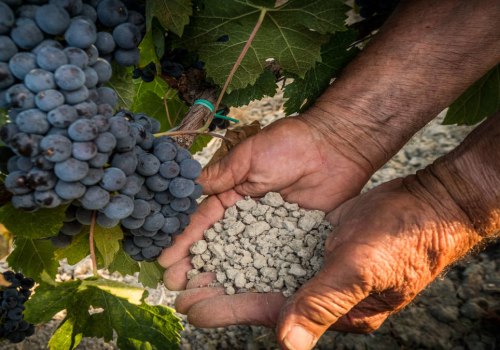
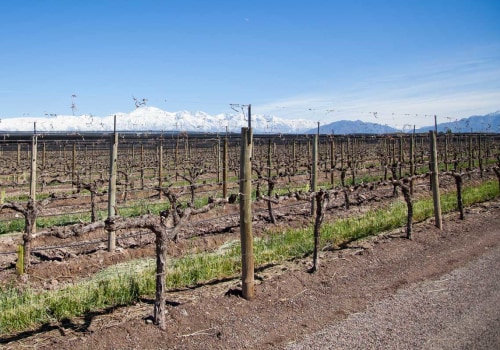
Grape farming is a vital component of the agricultural landscape, contributing significantly to both local economies and global markets. The cultivation of grapes is not merely about growing a fruit; it encompasses a rich tapestry of techniques and practices that have evolved over centuries. From the rolling vineyards of California to the sun-drenched fields of France, grape farming is an art that combines science, tradition, and a deep understanding of the land. At its core, grape cultivation involves selecting the right grape varieties suited to specific climates and soil types. Farmers must consider factors such as temperature, rainfall, and even the presence of pests when planning their vineyards.
This meticulous attention to detail ensures that each grapevine thrives, ultimately leading to a bountiful harvest. The techniques employed in grape growing can vary widely, from organic practices that eschew synthetic chemicals to innovative methods that utilize technology for precision agriculture. The significance of grape farming extends beyond just the production of wine; it plays a crucial role in food production and sustainability. Grapes are not only enjoyed fresh but are also transformed into a variety of products, including raisins, juices, and jellies. As we delve deeper into the harvesting process, it becomes clear that understanding the nuances of grape farming is essential for appreciating the journey from vine to table.
The Lifecycle of Grapes: From Planting to Harvest
The journey of grape farming begins with understanding the lifecycle of grapes, which is crucial for effective harvesting.This lifecycle can be divided into several key stages: planting, growth, maturation, and harvest.
1.Planting:
The lifecycle starts with the careful selection of grapevine varieties suited to the local climate and soil conditions. Farmers typically plant grapevines in the spring, ensuring that they are spaced adequately to allow for air circulation and sunlight exposure. Proper planting techniques, including soil preparation and irrigation, are essential for establishing healthy vines.
2.Growth Stages:
After planting, grapevines enter a growth phase that can last several years before they produce fruit. During this time, farmers focus on:
- Canopy Management: This involves training the vines to grow in a way that maximizes sunlight exposure and air circulation, which is vital for photosynthesis and disease prevention.
- Watering and Fertilization: Adequate water supply and nutrient management are critical during the growth stages to ensure robust vine development.
- Pest and Disease Control: Regular monitoring for pests and diseases helps protect the vines and ensures a healthy crop.
3.Maturation:
As the growing season progresses, grapevines begin to flower and set fruit.
This stage is marked by the development of grape clusters, which will eventually ripen into the grapes ready for harvest. Farmers closely monitor the sugar levels and acidity of the grapes during this time to determine the optimal harvest date.
4.Harvest:
The final stage is harvesting, which typically occurs in late summer to early fall, depending on the grape variety. Understanding the grape growth stages allows farmers to pick their crops at peak ripeness, ensuring maximum flavor and quality.In summary, each stage of the grape lifecycle plays a vital role in successful grape farming. By mastering these stages, farmers can optimize their harvests and produce high-quality grapes for winemaking or fresh consumption.
When is the Right Time to Harvest Grapes?
Determining the right time to harvest grapes is crucial for grape farmers, as it directly impacts the quality and flavor of the wine produced.Several factors come into play when deciding the optimal harvest time, including sugar levels, acidity, and weather conditions.
Signs of Ripe Grapes
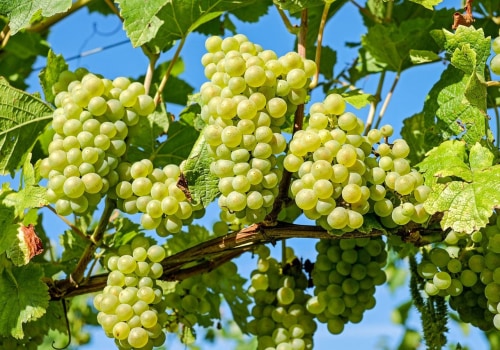
- Color Change: As grapes mature, their color changes significantly. For example, red grapes transition from green to a deep purple or red hue, while white grapes shift from green to a golden yellow.
- Taste Testing: Farmers often taste the grapes to assess their sweetness and flavor profile. Ripe grapes should have a balanced sweetness with a hint of acidity.
- Texture: The skin of ripe grapes becomes slightly softer, making them easier to crush. This change in texture is a good indicator of maturity.
Grape Maturity Indicators
- Sugar Levels: The sugar content in grapes is measured in degrees Brix.
Most grape varieties are harvested when they reach between 20-25 degrees Brix, depending on the desired wine style.
- Acidity Levels: Alongside sugar, acidity plays a vital role in grape maturity. A balance between sugar and acidity is essential for producing high-quality wine.
- Seed Color: The color of the seeds can also indicate ripeness. Ripe seeds turn brown, while immature seeds remain green.
Therefore, farmers must monitor weather forecasts closely and be prepared to adjust their harvesting schedule accordingly.In summary, successful grape farming hinges on understanding the signs of ripe grapes and the various maturity indicators. By carefully assessing these factors, grape farmers can ensure they harvest at the perfect moment, leading to exceptional wine quality.
Harvesting Techniques Used by Grape Farmers
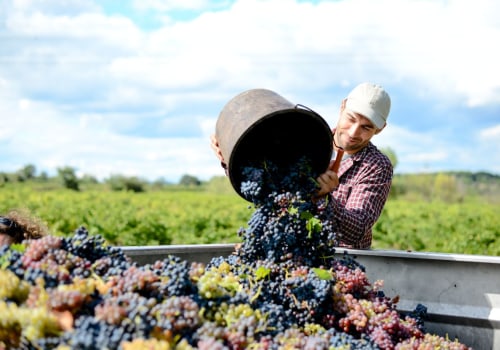
Harvesting grapes is a critical phase in grape farming, as it directly impacts the quality of the wine produced. Farmers employ various grape harvesting methods, primarily categorized into manual and mechanical techniques, each with its own set of advantages.Manual Harvesting
Manual harvesting involves workers hand-picking grapes from the vines. This traditional method is often favored for its precision and care.Here are some key benefits:
- Quality Control: Workers can select only the ripest grapes, ensuring higher quality for winemaking.
- Less Damage: Hand-picking minimizes damage to the fruit and vine, preserving the overall health of the vineyard.
- Flexibility: Manual harvesting allows farmers to adapt to varying vineyard conditions and grape varieties.
Mechanical Harvesting
In contrast, mechanical harvesting utilizes specialized machines to collect grapes quickly and efficiently. This method has gained popularity due to its speed and cost-effectiveness. Some advantages include:- Efficiency: Mechanical harvesters can cover large areas in a short time, making them ideal for extensive vineyards.
- Labor Savings: Reduces the need for a large workforce, which can be beneficial in regions facing labor shortages.
- Consistent Timing: Machines can harvest grapes at optimal times, ensuring uniformity in ripeness across the crop.
Ultimately, the choice of harvesting technique depends on factors such as vineyard size, grape variety, and desired wine quality.
Tools and Equipment for Grape Harvesting
Harvesting grapes is a meticulous process that requires the right tools and equipment to ensure efficiency and quality. The choice of harvesting methods can significantly impact the yield and health of the grapevines, making it essential for grape farmers to invest in appropriate machinery and tools.Hand Tools for Grape Harvesting
Many grape farmers still prefer traditional methods, especially for high-quality wine grapes. Hand tools are crucial in these scenarios:- Secateurs: These are essential for cutting grape clusters from the vine. They allow for precision and minimize damage to the plant.
- Buckets: Used to collect harvested grapes, buckets come in various sizes and materials, ensuring that grapes are transported without bruising.
- Harvesting Knives: Some farmers use specialized knives designed for quick cutting, which can speed up the harvesting process.
Mechanical Harvesting Equipment
For larger vineyards, mechanical harvesting has become increasingly popular due to its efficiency:- Grape Harvesters: These machines can quickly strip grapes from vines, significantly reducing labor costs.
They are equipped with vibrating arms that gently shake the grapes loose.
- Conveyors: After harvesting, conveyors transport grapes from the field to storage areas or processing facilities, minimizing handling and potential damage.
- Tractors: Often used to pull harvesting equipment, tractors are vital for transporting harvested grapes and other materials around the vineyard.
Post-Harvest Handling of Grapes
After the grapes are harvested, post-harvest handling becomes crucial to ensure that the quality of the fruit is preserved until it reaches consumers.The first step in this process is to carefully sort the grapes, removing any damaged or unripe fruit. This sorting helps maintain the overall quality of the batch and prevents spoilage during storage.Once sorted, grapes are typically placed in ventilated containers to allow for air circulation. This is essential as it helps to reduce moisture buildup, which can lead to mold and decay. The ideal storage temperature for grapes is between 30°F and 32°F (-1°C to 0°C), which slows down respiration and extends shelf life.
Storage Techniques
- Refrigeration: Grapes are often stored in refrigerated environments to maintain their freshness.
This method is effective in prolonging their shelf life while preserving flavor and texture.
- Controlled Atmosphere Storage: This advanced technique involves adjusting the levels of oxygen, carbon dioxide, and humidity in storage facilities. By creating a controlled environment, grape farmers can significantly extend the storage life of their crops.
- Packaging: Grapes are usually packaged in clamshell containers or boxes that provide protection during transport. These packages are designed to minimize bruising and allow for ventilation.
Challenges Faced by Grape Farmers During Harvest Season
The harvest season is a critical time for grape farmers, but it is not without its challenges.From unpredictable weather to pest management, these obstacles can significantly impact the quality and quantity of the grape yield.
Weather-Related Challenges
One of the most significant challenges faced during the harvest season is unpredictable weather. Rain can lead to increased humidity, which fosters the growth of mold and mildew on grapes. Conversely, a sudden heatwave can cause grapes to ripen too quickly, resulting in uneven quality. To mitigate these risks, farmers often monitor weather forecasts closely and may adjust their harvesting schedules accordingly.Pest Management
Pests pose another major threat during the harvest season.Insects such as grape berry moths and spider mites can damage the fruit, leading to significant losses. Effective pest management strategies are essential for protecting crops. Farmers may employ integrated pest management (IPM) techniques, which include:
- Regular Monitoring: Keeping a close eye on pest populations helps in making timely decisions.
- Biological Controls: Introducing natural predators can help keep pest numbers in check.
- Cultural Practices: Crop rotation and proper sanitation can reduce pest habitats.
Labor Shortages
Another challenge that grape farmers often face is a shortage of labor during the harvest season. The need for skilled laborers who can pick grapes at the right time is crucial.To address this issue, many farmers are turning to technology, such as automated harvesting machines, which can help alleviate some of the labor demands.In conclusion, while the harvest season presents numerous challenges for grape farmers, proactive planning and effective management strategies can help mitigate these issues. By staying informed about weather patterns, implementing robust pest management practices, and exploring technological solutions for labor shortages, grape farmers can enhance their chances of a successful harvest.
Sustainable Practices in Grape Farming and Harvesting
Sustainable practices in grape farming are essential for maintaining the health of the ecosystem while ensuring high-quality yields. These practices not only benefit the environment but also enhance the overall quality of the grapes, leading to better harvests.One of the key components of sustainable grape farming is the use of eco-friendly harvesting practices. Farmers are increasingly adopting methods that minimize environmental impact, such as:- Manual Harvesting: Many grape farmers prefer to hand-pick their grapes.
This method reduces damage to the vines and allows for selective harvesting, ensuring only the ripest grapes are collected.
- Mechanical Harvesters: For larger vineyards, modern mechanical harvesters equipped with technology to minimize soil compaction and reduce energy consumption are becoming popular.
- Cover Cropping: Planting cover crops between grape rows helps improve soil health, prevent erosion, and promote biodiversity. This practice can also reduce the need for chemical fertilizers.
Some organic methods include:
- Natural Pest Control: Utilizing beneficial insects and organic sprays helps manage pests without harming the ecosystem.
- Soil Management: Techniques such as composting and crop rotation enhance soil fertility and structure, promoting healthier vines.
FAQs About Grape Harvesting
Grape harvesting is a crucial phase in grape farming, and many questions arise regarding the best practices and techniques involved. Here are some frequently asked questions that can help clarify common queries about grape harvesting.What is the best time to harvest grapes?
The optimal time for harvesting grapes depends on the variety and the desired sugar content. Generally, grapes are harvested when they reach their peak ripeness, which is often determined by tasting the fruit and checking the sugar levels using a refractometer.Most grape farmers aim for a balance between sweetness and acidity to ensure high-quality wine production.
How do farmers determine if grapes are ready for harvest?
- Tasting: Farmers often taste the grapes to assess their flavor profile.
- Sugar levels: Using a refractometer, farmers measure the sugar content to ensure it meets the required levels for winemaking.
- Color: The color of the grapes can indicate ripeness; for example, red varieties should have a deep color.
- Seed color: The seeds should turn brown, indicating that the grapes are mature.
What tools are used in grape harvesting?
Farmers typically use a variety of tools during the grape harvesting process, including:- Hand shears: For selective picking of individual bunches.
- Harvesting bins: To collect and transport grapes from the vineyard.
- Mechanical harvesters: In larger vineyards, machines may be used to speed up the process, although they can be less selective than hand-picking.
Can grapes be harvested in rainy weather?
While it is possible to harvest grapes in light rain, heavy rain can lead to issues such as dilution of flavors and increased risk of disease. Farmers often monitor weather conditions closely and may choose to delay harvesting until conditions improve to ensure the best quality of fruit.Understanding these aspects of grape harvesting can help both novice and experienced grape farmers optimize their practices and improve their crop quality.Conclusion: The Future of Grape Farming and Harvesting Techniques
As we look towards the future of grape farming, it is clear that innovation and sustainability will play pivotal roles in shaping harvesting techniques. The advancements in technology, such as precision agriculture and automated harvesting systems, are set to revolutionize how grape farmers approach their crops.One of the most significant trends is the integration of smart farming technologies. These technologies allow farmers to monitor vineyard conditions in real-time, optimizing irrigation and nutrient management.By utilizing data analytics, grape farmers can make informed decisions that enhance both yield and quality.Moreover, the adoption of sustainable practices is becoming increasingly important. Farmers are now focusing on organic methods and reducing chemical inputs, which not only benefits the environment but also meets the growing consumer demand for organic products. This shift towards sustainability is likely to influence harvesting methods as well, with an emphasis on minimizing environmental impact.Additionally, the use of robotics in grape harvesting is on the rise. Automated harvesters can efficiently pick grapes while reducing labor costs and increasing productivity.
As these machines become more sophisticated, they will likely be able to handle delicate tasks that require precision, ensuring that grapes are harvested at their peak ripeness.In conclusion, the future of grape farming and harvesting techniques is bright, characterized by technological advancements and a commitment to sustainability. As farmers adapt to these changes, they will not only improve their operational efficiency but also contribute to a more sustainable agricultural landscape.