Grape farming is a delicate art that intertwines agricultural practices with environmental conditions. The success of cultivating grapes hinges significantly on the climate for grape farming, which encompasses a variety of factors including temperature, sunlight, and precipitation. Understanding these elements is crucial for both novice and experienced growers, as they directly influence the quality and yield of the grape harvest. The ideal grape growing conditions are characterized by a temperate climate with warm summers and cool winters. Grapes thrive in regions where the growing season is long enough to allow for full ripening, typically requiring at least 140 frost-free days.
Additionally, the right balance of sunlight is essential; grapes need ample exposure to sunlight to develop their sugars and flavors. Regions that experience too much rain or humidity can face challenges such as mold and mildew, which can devastate crops. As we delve deeper into the specifics of grape farming, it becomes evident that not all climates are created equal. Factors such as elevation, soil type, and local weather patterns play pivotal roles in determining the suitability of a region for grape cultivation. By exploring these aspects further, we can uncover the secrets behind successful grape farming and how to adapt practices to meet the unique demands of different climates.
Key Climate Factors Affecting Grape Farming
When it comes to grape farming, understanding the key climate factors is essential for achieving optimal yields and high-quality fruit.The primary elements that influence grape cultivation include temperature, rainfall, and humidity.
Temperature
The ideal temperature range for grapevines typically falls between 70°F to 85°F (21°C to 29°C) during the growing season. Grapes require a certain amount of heat to ripen properly, and regions with a warm climate tend to produce better quality grapes. However, extreme heat can be detrimental, leading to sunburned fruit and reduced yields. Nighttime temperatures also play a crucial role; cooler nights help preserve acidity in the grapes, which is vital for flavor development.Rainfall
Water availability is another critical factor in grape farming.Grapevines thrive in areas that receive between 20 to 30 inches of rainfall annually. Adequate rainfall during the growing season supports healthy vine growth and fruit development. However, excessive rainfall can lead to issues such as root rot and fungal diseases. Therefore, regions with well-drained soils are preferred, as they help manage excess water effectively.
Humidity
Humidity levels can significantly impact grape farming as well.Moderate humidity levels are beneficial for grapevines, but high humidity can create a favorable environment for pests and diseases. Ideally, grape-growing regions should have a balance of humidity that allows for proper transpiration without promoting disease outbreaks. Farmers often monitor local weather patterns to adjust their irrigation practices accordingly.In summary, successful grape farming hinges on understanding these climate factors. By carefully considering temperature, rainfall, and humidity, farmers can create optimal conditions for their vineyards, leading to healthier vines and superior grape quality.
Temperature Requirements for Grapes
When it comes to grape farming, understanding the temperature requirements is crucial for achieving optimal growth and fruit quality.Grapes thrive in a range of temperatures, but specific varieties have distinct preferences that can significantly impact their development.Generally, the ideal temperature for grape farming falls between 70°F and 85°F (21°C to 29°C) during the growing season. This range promotes healthy vine growth and ensures that grapes develop their characteristic flavors and sugars. However, it is essential to consider both daytime and nighttime temperatures, as fluctuations can influence the ripening process.
Temperature Ranges for Different Grape Varieties
- Cool-Climate Varieties: Varieties such as Pinot Noir and Riesling prefer cooler temperatures, ideally between 60°F and 75°F (15°C to 24°C). These grapes benefit from a longer growing season, allowing them to develop complex flavors without excessive sugar accumulation.
- Warm-Climate Varieties: On the other hand, varieties like Zinfandel and Cabernet Sauvignon thrive in warmer conditions, typically between 75°F and 90°F (24°C to 32°C).
These grapes require more heat to reach full ripeness and develop their robust flavors.
- Heat Tolerance: While grapes can tolerate higher temperatures, exceeding 95°F (35°C) can lead to sunburn on the fruit and hinder photosynthesis. Therefore, managing vineyard practices such as canopy management becomes essential in hotter climates.
By aligning vineyard practices with the temperature preferences of different grape varieties, farmers can enhance both yield and quality, ultimately leading to a more successful harvest.
Rainfall and Irrigation Needs in Grape Farming
In grape farming, understanding the rainfall requirements and effective irrigation practices is crucial for achieving optimal vine health and fruit quality. Grapes thrive in regions that receive a balanced amount of rainfall, typically between 20 to 30 inches annually. This amount ensures that the vines receive sufficient moisture during critical growth stages without the risk of waterlogging, which can lead to root diseases.Rainfall Requirements for Grapes
- The ideal rainfall distribution is essential; grapes require more water during flowering and fruit set, while less is needed during harvest.
- Regions with consistent rainfall patterns are preferable, as erratic weather can stress the vines and affect yield.
- Excessive rainfall can dilute flavors and increase disease pressure, making it vital to monitor weather conditions closely.
Irrigation in Grape Farming
In areas where natural rainfall is insufficient, irrigation becomes a key component of successful grape farming. Here are some effective irrigation strategies:
- Drip Irrigation: This method delivers water directly to the root zone, minimizing waste and reducing the risk of fungal diseases.
- Soil Moisture Monitoring: Utilizing sensors to gauge soil moisture levels helps farmers apply water only when necessary, promoting efficient water use.
- Timing: Irrigating during early morning or late evening reduces evaporation losses and ensures that vines absorb moisture effectively.
Understanding these water needs not only enhances vine health but also contributes to sustainable farming practices in the long run.
Humidity Levels and Their Impact on Grapes
Humidity levels play a crucial role in grape farming, significantly influencing both the health of the vines and the quality of the grapes produced. The ideal humidity range for grape cultivation typically falls between 40% and 70%. Within this range, vines can thrive, producing high-quality fruit with optimal sugar levels and acidity.When humidity levels are too low, grapevines may experience stress, leading to reduced growth and lower yields. Insufficient moisture can hinder the plant's ability to absorb nutrients from the soil, resulting in smaller, less flavorful grapes.Conversely, excessively high humidity can create a breeding ground for various diseases that threaten grape health.
Effects of High Humidity
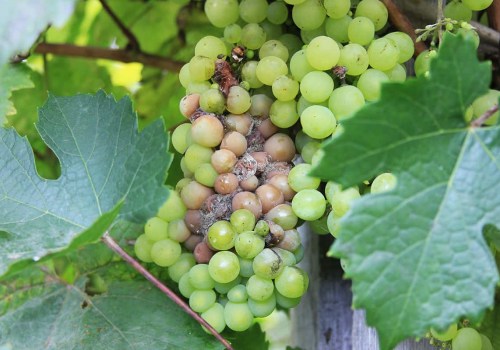
- Fungal Diseases: High humidity is a primary factor in the development of fungal diseases such as powdery mildew and downy mildew. These diseases can severely affect grape quality and yield if not managed properly.
- Botrytis Bunch Rot: Also known as gray mold, this disease thrives in humid conditions and can devastate entire crops if left unchecked.
- Reduced Air Circulation: High humidity often correlates with stagnant air, which can exacerbate disease spread and hinder vine respiration.
- Canopy Management: Proper pruning and training of vines can improve air circulation around the grapes, reducing humidity levels within the canopy.
- Soil Management: Maintaining healthy soil through organic matter addition can enhance drainage and reduce excess moisture retention.
- Pest and Disease Monitoring: Regularly inspecting vines for early signs of disease allows for timely intervention, minimizing potential damage.
Soil Types and Their Relationship with Climate in Grape Farming
In grape farming, the interaction between soil types and climate is crucial for optimal grape growth and quality. Different soil types can significantly influence how grapes respond to climatic conditions, making soil management a key factor in successful viticulture.Soil Types and Their Characteristics
- Sandy Soils: These soils drain quickly and warm up faster in the spring, making them ideal for early ripening varieties.
However, they may require more frequent irrigation in drier climates.
- Clay Soils: Rich in nutrients and capable of retaining moisture, clay soils can be beneficial in cooler climates. They help maintain consistent moisture levels, which is essential for grape development.
- Silty Soils: Silty soils offer a balance between drainage and moisture retention. They are often found in regions with moderate rainfall, providing a stable environment for grapevines.
- Limestone and Chalky Soils: These soils are known for their excellent drainage and high pH levels, which can enhance the minerality of the grapes. They are particularly favorable in warmer climates where heat stress can be an issue.
The Role of Climate in Soil Management
The climate not only affects the type of soil but also dictates how soil should be managed.
For instance, in regions with high rainfall, it is essential to implement practices that improve drainage to prevent root rot. Conversely, in arid climates, mulching and cover cropping can help retain moisture in sandy soils.Moreover, understanding the soil-climate interaction allows grape farmers to select appropriate grape varieties that thrive under specific conditions. For example, varietals like Cabernet Sauvignon prefer well-drained soils with moderate fertility, while Pinot Noir may flourish in cooler climates with clay-rich soils.In conclusion, recognizing the relationship between soil types and climate is vital for effective grape farming. By tailoring soil management practices to local climatic conditions, farmers can enhance grape quality and yield, ultimately leading to a more successful harvest.
Regional Climate Variations and Their Effects on Grape Farming
Grape farming thrives in regions where the climate aligns with the specific needs of the grapevines.In the United States, several areas stand out for their ideal conditions, each offering unique climatic characteristics that contribute to successful viticulture.
California: The Heart of Grape Farming
California is renowned for its diverse climates, making it the leading state for grape farming. The Central Valley benefits from a Mediterranean climate, characterized by hot, dry summers and mild, wet winters. This climate is perfect for growing a variety of grapes, including Cabernet Sauvignon and Chardonnay. Additionally, regions like Napa Valley and Sonoma County are famous for their premium wines, thanks to their unique microclimates that allow for optimal grape ripening.Oregon: A Cooler Alternative
In contrast to California, Oregon's Willamette Valley offers a cooler climate that is ideal for producing high-quality Pinot Noir.The region experiences a maritime climate with moderate temperatures and ample rainfall, which helps maintain the acidity and flavor profile of the grapes. The cooler nights in this area also contribute to slower ripening, enhancing the complexity of the wines.
Washington: A Diverse Landscape
The state of Washington features a range of climates due to its varied topography. The Columbia Valley, with its warm days and cool nights, is particularly well-suited for grape farming. This region benefits from a rain shadow effect created by the Cascade Mountains, resulting in dry conditions that are favorable for growing grapes like Merlot and Syrah.The combination of warm days and cool nights allows for balanced sugar levels and acidity in the grapes.
Texas: An Emerging Player
Texas is becoming increasingly recognized for its grape farming potential. The Texas Hill Country, with its hot summers and mild winters, provides an excellent environment for growing a variety of grape types. The region's diverse soils and microclimates allow for experimentation with different varietals, making it an exciting area for both established and new vintners.In summary, understanding the regional climate variations is crucial for successful grape farming. Each of these regions in the United States showcases how specific climatic conditions can enhance grape quality and contribute to the overall success of viticulture.Adapting to Climate Change in Grape Farming
As climate change continues to reshape agricultural landscapes, grape farming faces unique challenges that require innovative solutions.Rising temperatures, altered precipitation patterns, and increased frequency of extreme weather events can significantly impact grape quality and yield.
Effects of Climate Change on Grape Farming
- Temperature Increases: Higher temperatures can accelerate grape ripening, leading to imbalances in sugar and acidity levels, which are crucial for wine quality.
- Water Scarcity: Changes in rainfall patterns may result in drought conditions, stressing vines and reducing yields.
- Pest and Disease Pressure: Warmer climates can expand the range of pests and diseases, posing additional threats to grape health.
Adaptive Strategies for Grape Farming
- Diverse Planting: Incorporating a variety of grape cultivars can help mitigate risks associated with climate change. Some varieties may be more resilient to heat or drought.
- Soil Management: Implementing practices such as cover cropping and organic amendments can improve soil health, enhance water retention, and reduce erosion.
- Irrigation Efficiency: Utilizing advanced irrigation techniques like drip irrigation can optimize water use, ensuring vines receive adequate moisture during dry spells.
- Climate Monitoring: Employing technology to monitor microclimates within vineyards allows farmers to make informed decisions about planting dates and pest management.
FAQs About Climate and Grape Farming
When it comes to grape farming, understanding the climate is crucial for successful cultivation. Here are some frequently asked questions regarding the ideal climate conditions for growing grapes:- What temperature range is best for grape farming?
Grapes thrive in a temperature range of 70°F to 85°F during the growing season. However, they can tolerate higher temperatures, provided they have adequate water supply. - How does rainfall affect grape cultivation?
Grapes require about 20 to 30 inches of rainfall annually.Too much rain can lead to diseases like powdery mildew, while too little can stress the vines and affect fruit quality.
- Is sunlight important for grape farming?
Yes, grapes need full sun exposure for at least 6 to 8 hours a day. Sunlight helps in photosynthesis, which is essential for healthy vine growth and fruit development. - What are the effects of humidity on grape farming?
High humidity can promote fungal diseases, while low humidity can lead to water stress. A balanced humidity level is vital for maintaining vine health. - Can grapes grow in cooler climates?
Certain grape varieties are adapted to cooler climates and can survive temperatures as low as 15°F. However, these varieties may have a shorter growing season and require careful management.
By monitoring climate conditions and adjusting practices accordingly, growers can enhance their chances of a successful harvest.
Conclusion: The Importance of Understanding Climate in Grape Farming Success
In conclusion, understanding the climate is paramount for the success of grape farming. Throughout this article, we have explored various climatic factors that influence grape growth, including temperature, rainfall, humidity, and sunlight. Each of these elements plays a critical role in determining not only the health of the vines but also the quality of the grapes produced.To summarize:- Temperature: Grapes thrive in regions with warm days and cool nights. Ideal temperatures range from 75°F to 85°F during the day and drop to around 50°F at night.
- Rainfall: Adequate but not excessive rainfall is essential.
Regions that receive between 20 to 30 inches of rain annually are often ideal for grape cultivation.
- Sunlight: Grapes require plenty of sunlight for photosynthesis. A minimum of 6 to 8 hours of direct sunlight per day is crucial for optimal growth.
- Humidity: Moderate humidity levels help prevent diseases while ensuring that the grapes develop their full flavor profile.